Get Full Government Meeting Transcripts, Videos, & Alerts Forever!
Get email alerts on the Regional Collaboration topic
No spam. Unsubscribe anytime.
East End chamber leaders urge regional coordination to tackle housing, workforce and transit
Summary
At an LTV Studios business forum, local chamber leaders said housing affordability, seasonal workforce gaps and low awareness of county programs are straining small businesses and called for regular inter‑chamber coordination and stronger outreach to boost transit and housing solutions.
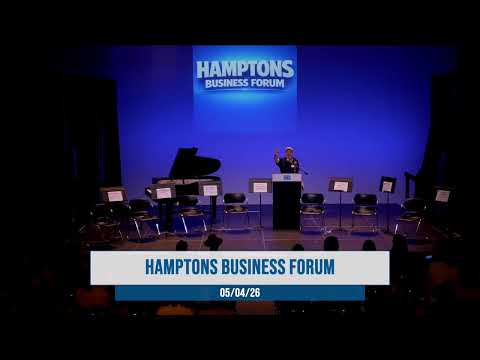
Local chamber leaders and business owners at an LTV Studios business forum in East Hampton pressed for more regional coordination to address housing affordability, seasonal workforce shortages and underused county programs that could help employers.
"We need to figure out a way...to speak as a collective voice when we go to a town board meeting," said Gavin Manu, publisher of the Express News Group and a member of the Greater East Hampton Chamber board, urging chambers to organize earlier and present a united position on zoning and housing projects.
Why it matters: panelists said housing and transportation problems directly reduce businesses' ability to hire and retain year‑round staff. Leo Dant, representing the Montauk chamber, offered a stark comparison: "the starting salary of Montauk school for a sixth grade teacher was $65,000 and the least expensive home in Montauk is $1.3 million on Zillow right now," a gap panelists said makes it hard to build a year‑round workforce.
Panelists also highlighted missed opportunities where existing programs and transit options are unused because businesses and residents are unaware of them. "There's an actual bus system that is free that will pick you up at the station and bring you to Sag Harbor," said Jesse Matsuoka of the Sag Harbor Chamber, noting the service often runs nearly empty and urging better promotion and coordination.
Several panelists described practical steps to improve the situation: hold regular inter‑chamber meetings to share best practices and program updates; coordinate outreach so chambers can publicize county and state services to members; and amplify public‑meeting attendance so local business voices are heard early in policy debates. Gavin Manu urged chambers to act as information hubs to convey what municipal and county governments are doing before policies are finalized.
Panelists pointed to specific program types that deserve wider notice. One said the labor department has a long‑running program allowing partial unemployment for seasonal workers — a tool employers can use to preserve staff in the off‑season rather than laying them off — and urged chambers to share that information with members.
On transportation, Leo Dant said increasing rail service to Montauk may hinge on infrastructure fixes such as additional sidings; he suggested the MTA budget could fund those track improvements so more trains can run to the East End.
Panelists closed by urging members and attendees to support local businesses, sponsor nonprofit events and attend public meetings. They recommended quarterly inter‑chamber meetings to maintain momentum and to coordinate projects such as regional housing purchases tied to development‑rights restrictions for workforce housing.
The forum was organized by LTV Studios; hosts invited attendees to continue conversations at a post‑event reception and to tour LTV's production facilities.