Get Full Government Meeting Transcripts, Videos, & Alerts Forever!
Get email alerts on the Zoning Levittown topic
No spam. Unsubscribe anytime.
Board continues Levittown lot‑coverage hearing after hours of public comment; permits held
Summary
The Town of Hempstead continued a packed public hearing on reducing Levittown’s maximum lot coverage from 30% to 27.5% and voted to hold related building permits until the board reconvenes May 12. Residents and builders sharply disagreed on housing scale, notice and economic impacts.
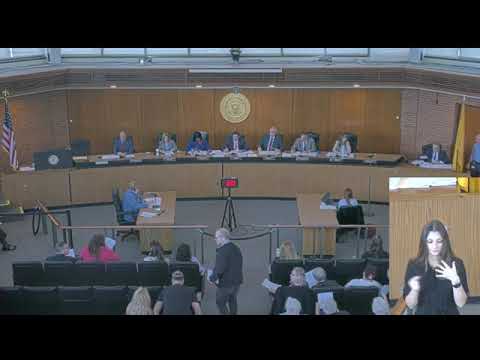
Supervisor Ferretti said the Town Board would continue a contentious public hearing on April 28, 2026, about reducing allowable lot coverage in the Levittown Planned Residence District and scheduled the matter to resume May 12 at 10:30 a.m. The board also announced that building permits now under review will remain on hold until the hearing record is closed.
The proposal would amend section 185 of article 15 of the town’s building zone ordinance to lower maximum building area in the LPRD from 30% of a lot to 27.5%, bringing Levittown’s allowance in line with other Residence B zones in the town. Supervisor Ferretti said the change is meant to preserve neighborhood character while allowing homeowners to modernize and that the board will only adopt measures it believes will withstand legal scrutiny.
Residents spoke for and against the change during several hours of public comment. “Levittown was built for soldiers coming home from World War II. It is a middle‑class community,” Deborah Saunders said, arguing that larger replacements are changing neighborhood character and reducing affordability. Richard Lachman told the board he believes the town’s variance and notice process has been circumvented and urged an investigation: “So somebody better wake up and start investigating what’s going on,” he said.
Speakers described multiple practical concerns if larger houses continue: loss of sunlight and privacy for neighboring lots, increased storm runoff when front and rear yards are reduced, pressure on schools and parking, and instances of vacant new builds used for frequent events that create safety problems. “They’re parking apron to apron. Safety factor — cars cannot get down Red Maple North at all,” Barbara Hines said of one new house described as an ongoing public‑safety nuisance.
Builders and some residents urged caution. Manjeet Singh, a real‑estate attorney who said many of his clients are local builders, said no economic impact study accompanies the proposal and warned of potential hardship for owners and developers who have invested in plans under the current rules. Sarah (speaker 43), a local contractor who said she has active projects with significant carrying costs, asked the board to make any effective date prospective so builders who submitted plans in recent months are not penalized retroactively.
Town staff and the town attorney told the board that permits currently under review will be required to meet the new guidelines if the code is changed and that many builders were already adjusting their plans. The town attorney recommended keeping the record open to allow the board time to study suggested tweaks, potential limits on variances, and procedural protections. The board voted to continue the hearing to May 12, 2026, at 10:30 a.m.; roll call showed the motion passed with all members present voting in the affirmative.
The hearing included a mix of highly personal appeals — several speakers described multi‑generational ties to Levittown stretching back decades — and technical questions about heights, side‑yard requirements, and whether demolition work is safely removing asbestos from older homes. Several speakers requested additional constraints, including narrower lot‑coverage limits, tighter height rules, or restrictions on variances. Others, including younger homeowners and contractors, argued that modern households need more interior space for work‑from‑home arrangements and that overly tight limits will discourage reinvestment.
What happens next: The Town Board will keep the public record open through the continued hearing on May 12; building permits that could be affected will remain under review and will not be released until the board acts. The board indicated officials will research suggested legal language changes, look at variance limits, and consider a future effective date to address projects already in process.