Get Full Government Meeting Transcripts, Videos, & Alerts Forever!
Get email alerts on the Teacher Contracts topic
No spam. Unsubscribe anytime.
Candidates square off over two‑year teacher contract stalemate and extra‑help mandate
Summary
At a Cold Spring Harbor meet‑the‑candidates forum, incumbents said they support signing the fact‑finder’s recommended contract while challengers argued the two‑year impasse reflects broken trust and urged new approaches; extra‑help scheduling and retroactive pay were central points of debate.
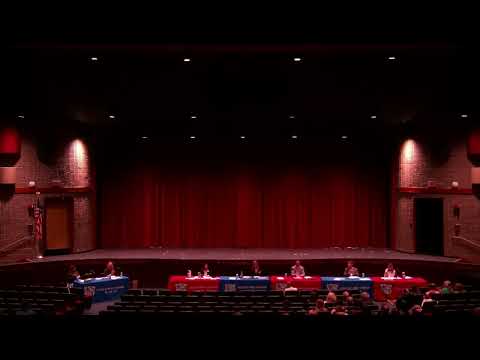
At a public forum hosted by the Central Parents Council, five candidates for the Cold Spring Harbor Central School District board spent more than an hour debating a two‑year stalemate over the teachers’ contract and whether the agreement should require scheduled extra help for students.
Incumbents Bill Wallman, Lisa Smith and Kate DelliCarpini told attendees they are prepared to accept and sign the contract recommended by the state-appointed fact finder. Lisa Smith said the district has met many of the fact finder’s terms and that "we are ready to sign the proposal that the fact finder put together." Kate DelliCarpini said the district has worked to protect local control while expanding programs and noted that structured, publicized extra‑help is in the fact‑finder report.
Challengers Scott Kaufmann and Mary Redden criticized the prolonged negotiations, saying the impasse has eroded trust and morale. Kaufmann said the problem is as much about perception as policy: "What matters is the perception on behalf of each party," he said, arguing new faces or different negotiation strategies may be needed to restore collaboration. Redden, a longtime special‑education teacher, called the lapse fiscally and morally irresponsible because of retroactive pay and the toll on staff morale.
A recurring dispute at the forum centered on how the contract should handle "extra help"—time outside the school day when teachers provide students with additional support. Incumbents described seeking a publicized, equitable schedule (they said comparable districts require 45–90 minutes) and proposed 30 minutes per week publicized for clarity; Lisa Smith said the district is asking for "before or after school, 30 minutes." Challengers said teachers’ professional discretion should be respected and that accountability and clear protocols are preferable to a rigid one‑size‑fits‑all time slot.
Panelists also debated whether allowing contracts to lapse produces short‑term savings or long‑term costs. Wallman and other incumbents noted state law preserves longevity and step increases, while Redden and Kaufmann said unpaid cost shifts and legal fees risk harming compensation and the district’s reputation.
The candidates repeatedly referenced the fact‑finder process. Lisa Smith urged the community to trust that the process is moving toward a resolution, saying the board wants negotiations to end. Kaufmann said restoring trust requires direct dialogue between teachers and new leadership if necessary. Several audience members pressed the candidates for concrete day‑one actions; Kaufmann said he would "go and actually talk to the teachers" and try to align on a framework; Redden emphasized collaborative problem‑solving informed by classroom experience.
The forum closed with candidates reiterating their priorities for students, and a reminder that the school board election is Tuesday, May 19, with early and absentee voting information on the district website.