Get Full Government Meeting Transcripts, Videos, & Alerts Forever!
Get email alerts on the Housing topic
No spam. Unsubscribe anytime.
Council waives first reading of ADU ordinance to align Winters code with recent state law changes
Summary
Winters council introduced Ordinance 2026‑03 to update municipal code on accessory dwelling units and junior ADUs per recent state changes, waived the first reading and directed staff to submit the ordinance to state reviewers prior to adoption.
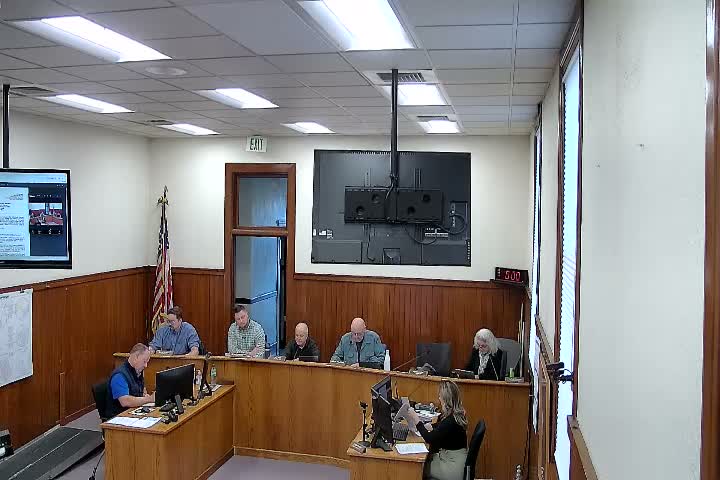
The Winters City Council on April 21 introduced and waived the first reading of Ordinance 2026‑03, which amends chapter 17.98 of the municipal code to align local accessory dwelling unit (ADU) and junior ADU (JADU) rules with recent state law.
Planner Dowser, leading the presentation, summarized statutory updates including limits on collecting impact fees for ADUs under certain size thresholds and the elimination of some local owner‑occupancy requirements. "The key changes to the new legislation...prohibits city councils or cities from collecting impact fees on ADUs that are less than 750 square feet and JADUs that are 500 square feet," Dowser said, quoting elements highlighted in the staff report.
Dowser said staff compiled a redline showing minor changes from the planning commission review and removed duplicative definitions present elsewhere in code. Council opened the public hearing, received no public comment, and voted to introduce and waive the first reading. Staff noted the ordinance will be submitted to the state for review after the second reading to confirm compliance with state law.
Council discussion included questions about available ADU plan templates (staff said the city provides two free plan options funded by a state grant) and whether garage‑over units were included among plan options. Staff said building permit fees still apply to ADU construction, even if plan templates are provided at no cost.
The action at the meeting was procedural: introduction and waiving of the first reading. Final code changes will follow a scheduled second reading and any required state review.