Get Full Government Meeting Transcripts, Videos, & Alerts Forever!
Get email alerts on the Code Enforcement topic
No spam. Unsubscribe anytime.
Winters introduces updated weed-and-rubbish ordinance to streamline abatement
Summary
Fire Chief Jack Snyder introduced a proposed ordinance to repeal and recast Title 8 (weed and rubbish abatement) that would declare weeds a nuisance, standardize requirements by parcel size, make the process complaint‑driven and allow season timing tied to moisture conditions.
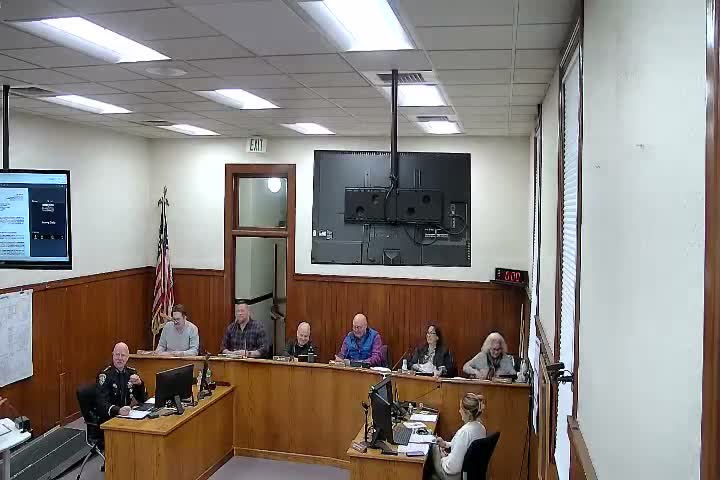
Fire Chief Jack Snyder presented an introductory draft ordinance to repeal and recast Title 8.12 (weed and rubbish abatement) to give staff clearer, standardized enforcement authority and to make weeds a declared nuisance without requiring yearly council actions to start abatement season.
Snyder said the ordinance splits requirements by parcel size (residential less than 1 acre, 1–5 acres, over 5 acres, agricultural and hillside/creekside parcels), aims to make compliance expectations easier for residents to understand, and allows seasonal timing to be set according to moisture content. He emphasized the program will remain complaint‑driven and that staff will use multiple outreach channels (web, printed materials, Spanish translations and water‑bill inserts) to notify residents when abatement notices are sent.
Councilmembers and residents asked about native‑plant gardens, wildlife habitat and timing relative to nesting birds; Snyder said cultivated native gardens and maintained landscapes are not targeted and staff intends flexibility for habitat concerns. The ordinance introduction was informational; staff will draft the formal ordinance text and return with a first reading for adoption at a future meeting.
Next steps: staff will prepare a formal ordinance draft for a future first reading, develop outreach materials (digital and printed, including Spanish translations), and work with fire and natural‑resources stakeholders on implementation timing tools tied to moisture conditions.