Get Full Government Meeting Transcripts, Videos, & Alerts Forever!
Get email alerts on the Child Welfare topic
No spam. Unsubscribe anytime.
County health staff flag rising CLTS caseloads, outline out-of-home placement costs
Summary
Division manager Alyssa Schultz told the committee Children's Long Term Support caseloads have risen since state rules ended county waitlists; the county now has 10 CLTS case managers and reported 11 youth in institutional placements and 34 children in foster care with monthly foster-care costs cited.
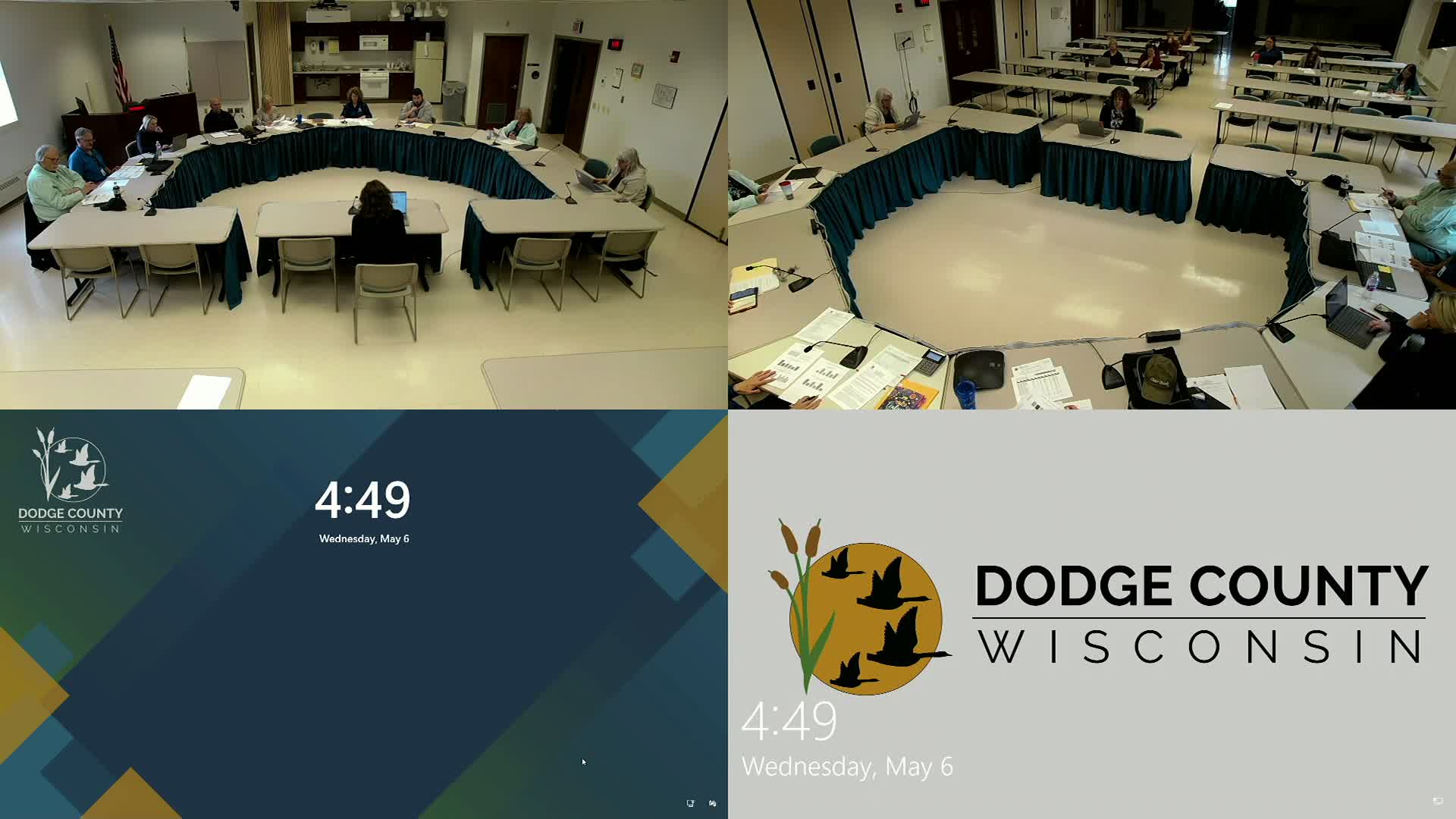
Alyssa Schultz, division manager for clinical and family services, walked the committee through quarterly charts and trend data showing stable mental-health enrollments but a notable rise in Children's Long Term Support (CLTS) caseloads. Schultz said the state directive that counties may not maintain CLTS waitlists has driven referrals into immediate service and that Dodge County has responded by adding staff.
"We have 10 case managers," Schultz said, noting some staff work across two programs. She described the change in state policy that ended county-managed waiting lists as the primary driver: "referrals now, rather than getting placed on a wait list, are served right away." The committee heard that increased CLTS service delivery is largely funded through Medicaid reimbursement for billable positions.
On child protective services and out-of-home placements, staff reported 11 youth in institutional placements and 34 children in foster care; the foster-care column referenced a monthly cost figure (reported in the packet as $85,000 for the period summarized). Schultz and other staff described kinship care stipend levels ($384 per month) and emphasized efforts to return children home when safe and appropriate, citing Families First initiatives and strengthened legal partnerships to speed permanency planning.
Committee members asked whether trends were persistent; staff said the CLTS increase reflected policy change and additional state funding, and noted community programs' year-over-year changes were modest (about a 14-person difference) and may reflect program discharges as families meet goals.