Get Full Government Meeting Transcripts, Videos, & Alerts Forever!
Get email alerts on the District Budget Gap topic
No spam. Unsubscribe anytime.
Dorchester 02 budget workshop: district projects $7.2 million gap, staff lays out cuts and millage options
Summary
District staff told the board that FY26 revenues of about $292.7 million fall roughly $7.2 million short of proposed expenditures, presenting scenarios that include cutting about 540 positions and asking for up to 16.9 mills to fully fund proposed salary steps and program restorations.
District staff presented a budget update showing projected FY26 revenues of roughly $292.7 million versus proposed expenditures of about $299.9 million, leaving an estimated gap of $7.2 million. Staff said the gap stems from a mix of reduced local tax capacity, enrollment fluctuations and pending state-level changes that could add costs.
The presentation identified about $5.1 million in proposed reductions (roughly 540 positions across schools and the district office) and about $3.1 million in mandated or required cost increases, yielding approximately $2.2 million in net potential savings before other variables. Staff also cited an additional $1.2 million in new local property tax receipts driven by new home construction and assessment growth; they emphasized those gains were not the result of a millage increase.
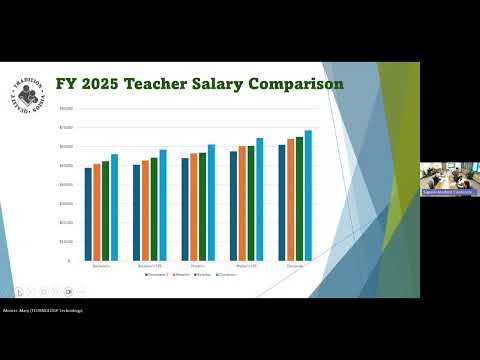
Staff outlined options to close the remainder of the gap, including a menu of salary proposals and the millage needed to fund them. Under one scenario, fully funding proposed salary steps and a $1,500 teacher scale increase would require roughly three mills; funding the broader package of additions presented at the workshop would equate to about 16.9 mills. Staff said they prioritized mandatory teacher step increases first, then steps for other eligible employees, then targeted raises.
The district flagged several state-level uncertainties that could worsen the shortfall: a health-insurance funding decision in the Legislature (a 3.9% employer cost would add roughly $400,000 under staff estimates) and a proposed Senate change expanding paid parental leave, which staff estimated could add about $600,000 depending on utilization.
Board members and staff discussed tradeoffs between tax increases and cuts to positions or services. Staff emphasized an effort to “right-size” allocations following an enrollment decline (about 595 fewer students than projected), and said the goal was to avoid midyear layoffs and to preserve services that support students with special needs.
Next steps include additional negotiations with vendors and contract reviews (staff cited specific vendor savings opportunities of $30,000–$40,000 and examples such as a $29,000 landscaping contract for a high school), a meeting with county finance officials, a public hearing April 28 and a presentation to county council on May 12.
The board did not take a formal vote at the workshop; staff asked for direction on priorities and signaled they would return with refined options after follow-up work and clearer information from the state.