Get Full Government Meeting Transcripts, Videos, & Alerts Forever!
Get email alerts on the Land Use Administration topic
No spam. Unsubscribe anytime.
Land-use officials flag staffing gaps, digital permitting benefits and request a $75,000 open-space reserve
Summary
Department leaders told the Budget Committee they recently converted a part-time wetlands role to full-time, remain near full staffing after turnover, see benefits from moving to digital permitting (Municity), and requested a $75,000 open-space reserve to fund rapid due diligence on potential acquisitions.
Land-use and environmental-affairs leaders told the Budget Committee they are cautiously addressing staffing shortfalls, expanding digital processes and asking for a modest capital reserve to pursue open-space purchases quickly when parcels appear.
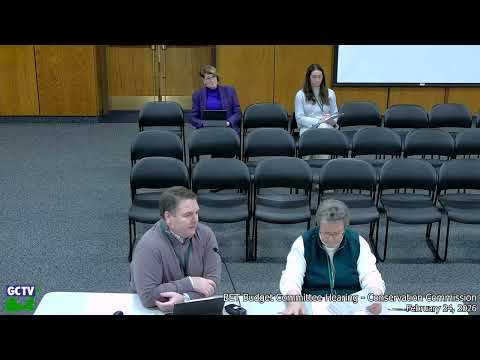
Beth Evans, director of environmental affairs, said the only substantive budget change in conservation and wetlands was converting a part-time position to full-time, which slightly increased salary costs. She said environmental affairs has largely completed back-scanning of records and eliminated off-site storage; planning and zoning still has older records to digitize.
"We are doing all scanning in-house," Evans said for the environmental affairs side and described ongoing selective rescans and consultant support for planning and zoning records.
Patrick Luro said the department has recently been downstaffed because of turnover but has returned to full staffing as of January. He said the zoning enforcement office remains heavily burdened and recommended creating an assistant zoning-enforcement position to relieve inspection and permit-signing workload.
Luro said adopting digital permitting software (Municity) should reduce staff time spent on paper workflows and callbacks, allowing staff to focus on enforcement and planning tasks.
On open space, Evans requested a $75,000 reserve fund to cover appraisal, land-use evaluation and consultant due diligence when parcels become available. She said prior projects had out-of-pocket due-diligence costs near $60,000 and that a standing reserve would let the town act quickly in competitive situations.
Why it matters: Staffing levels and digital processes shape the town’s ability to enforce zoning, process permits and deliver planning work. An open-space reserve gives staff flexibility to advance acquisitions without proceeding solely on donated funds.
What’s next: Departments will monitor productivity under full staffing, pursue Municity implementation and the committee will consider the proposed open-space reserve in capital planning.