Get Full Government Meeting Transcripts, Videos, & Alerts Forever!
Get email alerts on the Family Advocacy topic
No spam. Unsubscribe anytime.
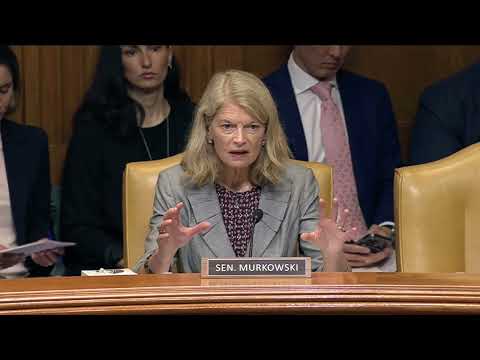
Senator presses defense leaders over loss of family-advocacy staff and hiring freeze risks
Summary
A senator told defense leaders that an Army post has "lost all of its family advocates," urged exemptions or waivers from the hiring freeze, and sought a commitment from Secretary Driscoll to ensure military families keep access to services; officials pledged follow-up and review of waiver authority.
A senator told defense leaders that Fort Wainwright has "lost all of its family advocates" and asked Secretary Driscoll to examine whether family-advocacy positions could be exempted from a hiring freeze or covered by waiver authority to avoid leaving military families without support.
The senator said the family advocacy program — responsible for identifying and responding to child abuse, neglect and intimate-partner violence — is critical to service members and their families and linked gaps in staffing to recent suicides among service members. "We need to be there for those families," the senator said, and asked for a commitment that vacated positions would not remain empty because of the hiring freeze.
Secretary Driscoll responded that the department would "follow up with your office on this," said waiver requests are reviewed weekly and that waivers of the hiring freeze for such positions have historically been approved. Driscoll pledged to "double down" to avoid inadvertently blocking hires for critical family-support roles.
A general at the hearing added that Alaska communities have distinct needs and deserve tailored support and headquarters adjustments to ensure local readiness and family services.
The exchange did not produce a formal decision; defense leaders committed to follow up with the senator's office and to review waiver approvals and staffing for family-advocacy roles. The hearing moved on after officials described ongoing reviews of policy and resources.
Clarifying details recorded in the hearing included that some staff accepted voluntary early retirement or separation buyouts, that waiver requests are reviewed weekly, and that specific vacancy counts or funding amounts were not specified.