Get Full Government Meeting Transcripts, Videos, & Alerts Forever!
Get email alerts on the Education Funding topic
No spam. Unsubscribe anytime.
Aitkin school leaders outline $55.3 million, three-question referendum; say tax impact lowered 33%
Summary
District leaders described a three-question referendum — $49.79M for a PreK–6 rebuild, $3.19M for a transportation center and $2.325M for gym space — and said a $5 million infrastructure allocation and changes to the plan cut the annual tax impact about 33%. Officials answered community concerns about maintenance, utilities and timetables ahead of an April 14 election.
Aitkin Public School District officials presented details of a three-question referendum at a public meeting, describing a package that would rebuild the district’s PreK–6 facility, build a transportation center and add gym space while seeking to limit the tax impact on homeowners.
Superintendent Jeff said the first question — a PreK–6 new-build — is priced at $49.79 million. The second question, for a new transportation center, is $3.19 million. The third question, for added gymnasium space, is $2.325 million. The district said the questions are scaffolded: question one must pass for question two to take effect, and both must pass for question three to take effect. Together the measures total about $55.3 million.
“By extending bond terms and trimming square footage we were able to reduce the annual tax impact by roughly 33% compared with the earlier plan,” the superintendent said during the presentation. He said the district also reduced the overall project price by about 16 percent from the prior proposal and reworked the gym and transportation designs to save costs.
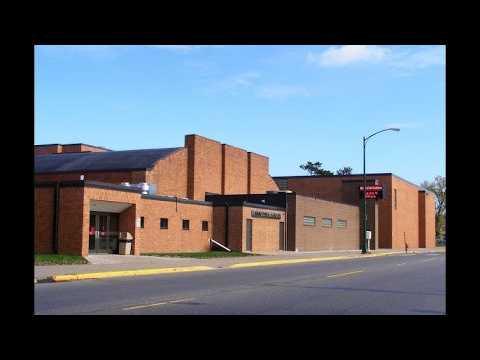
Why it matters: district staff framed the measure as a response to aging facilities and recurring maintenance that staff say limit student safety and program space. Officials described classrooms and support spaces being created from closets, an unreliable elevator that trapped a student, recurring roof leaks and outdated HVAC and plumbing concentrated in a 70‑year‑old portion of the elementary building.
Funding and timelines: presenters said the district has been awarded $5 million in infrastructure funds referred to in the presentation as “IT RB”/“triple R” funds and said the allocation was discussed with the legislative board chaired in the transcript by Senator Robert Barnes. The district estimated utilities and site work to the new site at about $7.2 million and said it had commissioned city- and civil-engineering memos and a soils/topography review to vet estimates.
Election logistics and process: officials told residents that early voting begins Friday and that election day is April 14; they advised voters to request absentee ballots if they are not on a permanent absentee list. The district said design work would begin in 2026 with construction likely starting in April of the following year and an anticipated completion in fall 2028 if the measures pass.
Community questions: during a lengthy public question-and-answer period, residents pressed officials on how the district purchased the new site (district general-fund dollars were used roughly a decade earlier), what happens if the referendum fails and how maintenance would be funded. The superintendent said doing nothing is not a viable long-term option and presented alternative scenarios the district prepared: a $1 million, 5‑year repair plan; an $11 million option that would not require voter approval; and a $34 million remodel that would have a higher short-term tax impact and would not correct all space or safety constraints.
Officials acknowledged shortcomings in outreach to township boards about roadwork tied to the new site (a route referred to as 340th), apologized to a township representative and said intergovernmental maintenance agreements would be negotiated if the project proceeds. MnDOT was described as willing to coordinate on access planning after local approval.
Maintenance and operations: district staff described patching and temporary collection systems used to manage recurring roof leaks and said multiple assessments indicate full replacement — not repeated patching — is needed for the oldest roofs. Officials also said moving major mechanical equipment (HVAC) to rooftop canopies and rightsizing some program space would produce both operational and energy savings over time.
What remains unresolved: residents raised concerns about the distribution of tax burdens (seasonal and residential properties), whether the district had fully briefed townships about road impacts, and how enrollment trends and rising homeschooling figures affect facility planning. Officials gave estimates where available and said some items — including state budget contributions for off-site work — would be addressed later in state and intergovernmental budgeting processes.
Next steps: the district urged voters to review materials on its website, use the property tax calculator the district offers to estimate individual impacts and either request absentee ballots or vote on April 14. If the referendum passes, officials said design work would follow in 2026 and construction could begin the next April with an estimated completion around fall 2028. If it fails, the board would consider remodeling and other options with higher short-term tax effects and ongoing maintenance pressures.
Representative quote: “If it fails, the challenges of Rippleside will remain,” Superintendent Jeff said, adding that the district’s long-term maintenance costs are expected to rise if the measure is rejected.
The meeting included tours of the facility, community tables with information and an extensive public comment period; the board adjourned after closing remarks and additional tour offers.