Get Full Government Meeting Transcripts, Videos, & Alerts Forever!
Get email alerts on the Budget And Personnel topic
No spam. Unsubscribe anytime.
Council approves salary amendments, fiscal transfers and health fees; multiple bills pass unanimously
Summary
The council approved several committee‑recommended ordinances in a grouped series of votes, including salary ordinance amendments for multiple departments, general fiscal transfers, and a health department vaccine fee increase. Each measure passed by unanimous roll call votes.
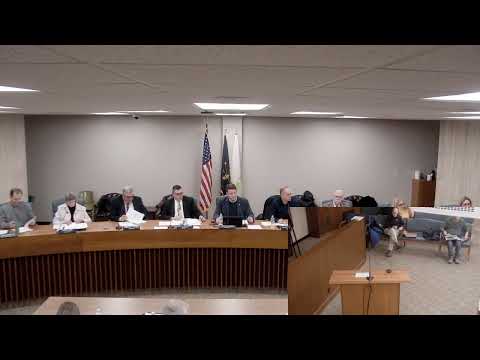
St. Joseph County Council members moved through a series of committee‑recommended items on Feb. 24, approving multiple budgetary and staffing ordinances by unanimous votes.
The council approved three salary ordinance amendments (Bills 11‑26, 12‑26 and 13‑26). Bill 11‑26 corrected an oversight in the Recorder's Office budget to address a $995 promotion shortfall; Recorder Candace Brown said the adjustment would be charged to the recorder’s perpetuation fund. Bill 12‑26 reclassified a highway position to add an additional mechanic at no net increase in FTEs, and Bill 13‑26 was a budget‑neutral conversion of a part‑time registrar position into a full‑time medical assistant across the county health fund and local public health services fund.
Council also approved Bill 10‑26, a package of appropriations and transfers for several departments, following a committee review, and opened and closed a consolidated public hearing on fiscal matters. The health department’s Bill 5‑26 raised the single‑dose injectable typhoid vaccine fee to $176 after manufacturers discontinued multi‑dose vials; Health Department finance director Amy Rupy compared neighboring counties’ pricing and said the increase reflected the single‑dose supplier cost. One resident, Katherine Majuski, voiced support for making the vaccine available locally.
All of the above bills passed on roll calls with unanimous 9–0 tallies. Council members said the measures stemmed from committee review and that public hearings produced no substantive opposition.