Get Full Government Meeting Transcripts, Videos, & Alerts Forever!
Get email alerts on the Homestead Deferral topic
No spam. Unsubscribe anytime.
Council tables proposal to allow property tax deferrals for seniors after staff raise implementation concerns
Summary
The St. Joseph County Council voted 6–3 to table a proposed county homestead tax‑deferral program for homeowners 55+ after the treasurer, auditor and recorder warned it would require new staff, compatible software and clear lien‑recording rules before launch.
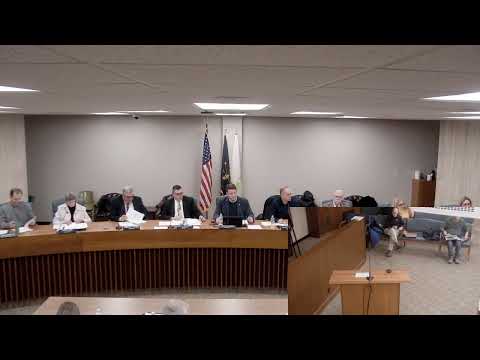
The St. Joseph County Council voted 6–3 on Feb. 24 to table a proposed county homestead property tax deferral program so staff can answer outstanding operational and cost questions.
The measure, introduced as Bill 9‑26 by petitioners including Councilwoman Amy Drake, would allow qualifying homeowners age 55 and older to defer $100 to $500 of annual property tax payments, up to $10,000 total, with no county interest. Petitioners said the program was intended to "helping seniors stay in their homes" by giving low‑income residents flexibility to pay taxes when they face temporary hardship; they said the deferral would apply to 2026 taxes payable in 2027 and would be activated only after homeowners submit state forms and apply to the county treasurer.
But the county treasurer, Mary Beth Wasneski, and county auditor and recorder officials told council members that the proposal raised significant administrative questions. Wasneski said she was "uncertain whether the county option homestead property tax deferral loan program provides the relief that [residents] are looking for" and warned that deferred amounts become liens on property and could surprise heirs or buyers who do not see them in a title search.
Auditor and recorder staff told council members the program would require new personnel and enterprise‑level software compatible with the county tax system to track annual applications, deferred balances and lien releases. "We will need personnel in and software to administer the program," the treasurer said; the recorder estimated lien‑release recording costs could be substantial.
Council members pushed petitioners for details on likely uptake and costs. Staff estimates discussed at the meeting suggested wide ranges: petitioners cited a rough planning figure of 1,500 potential applicants; staff noted that at a $500 annual deferment that could translate into hundreds of thousands of dollars per year in deferred collections across taxing districts and that custom software and staffing could increase administrative costs substantially. County staff urged allowing time—petitioners suggested an October filing start date—to develop processes and compatibility with existing tax systems.
After more than an hour of questions and public discussion, Councilman Schzel moved to table the bill for one month to allow petitioners to coordinate with the treasurer, auditor and recorder and to gather better cost estimates; the motion passed 6–3. The council directed staff and petitioners to return with clarified implementation plans at the March public hearing.
The vote leaves the ordinance technically alive but delayed; proponents said they hoped more analysis would allow a smoother roll‑out if the council ultimately approves the program.