Get Full Government Meeting Transcripts, Videos, & Alerts Forever!
Get email alerts on the Farm To School topic
No spam. Unsubscribe anytime.
Farm-to-School coordinators highlight gardens, curriculum and local procurement gains
Summary
Presenters told the Saranac Lake Central School District board that a recent grant helped create and sustain farm-to-school activities: procurement of locally grown New York State foods is now roughly 45% on some days, gardens were rebuilt, and a half-time coordinator was hired to expand curriculum and cafeteria composting.
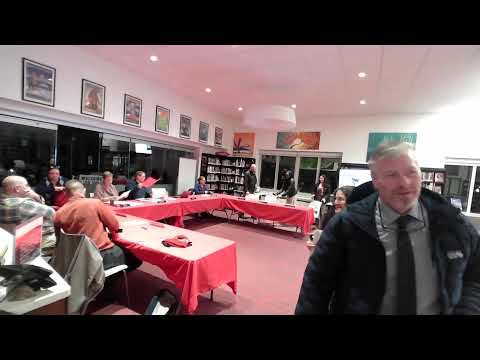
The Saranac Lake Central School District on Feb. 26 heard a detailed presentation on its Farm-to-School initiative, including curriculum ties, garden rebuilds and procurement gains from a recent grant.
The presenters, Ruth and Emily Bell, said the program has increased local purchasing and classroom connections. Emily Bell, the program coordinator, said the district has “gone from 0% to roughly 45%” locally grown New York State food on some service days, a shift she said was enabled by grant funding and local partnerships.
The presentation traced recent grants and milestones: USDA planning and procurement work that originally funded a walk-in freezer and small grants, recruiting additional local farms (program staff referenced growth from about seven to roughly 12 farm partners), rebuilding the Petrova garden with student and community help, and tying K–12 lessons to garden and food-system topics. Presenters said the grant supported hiring a part-time year-round Farm-to-School coordinator and emphasized curriculum development to meet Next Generation Science Standards across grades.
Program staff described a range of hands-on activities and cafeteria connections: middle-school students working on garden beds; kindergarten harvest activities used in classroom lessons; and pilot cafeteria items (pesto, eggplant Parmesan) that were tested and added to menus. The presenters also outlined districtwide plans for cafeteria composting and student-led outreach videos to teach correct composting behavior.
Presenters acknowledged timeline changes tied to grant execution that reduced planned growing seasons (one season instead of two) but emphasized measurable local procurement gains and curricular integration. They said the grant-funded coordinator position will be covered through the end of the grant period and that the district should consider options to sustain the role in future budgets.
Board members asked about sustaining staff and funding after the grant and encouraged staff to continue building partnerships and documenting outcomes. The board did not take a formal vote on program funding at this meeting.
The next step is continued internal planning and, if needed, budget discussions later in the district’s budget process.