Get Full Government Meeting Transcripts, Videos, & Alerts Forever!
Get email alerts on the State Legislation topic
No spam. Unsubscribe anytime.
Longmont council backs two state bills: on-bill energy financing (unanimous) and RTD reforms (5–1)
Summary
The council voted to support SB26-148, a bill to enable on‑bill financing for energy upgrades (unanimous with Popkin absent), and SB26-150, RTD accountability and board‑composition reforms (passed 5–1 with Council Member Christ opposed); the RTD debate centered on representation and appointment authority.
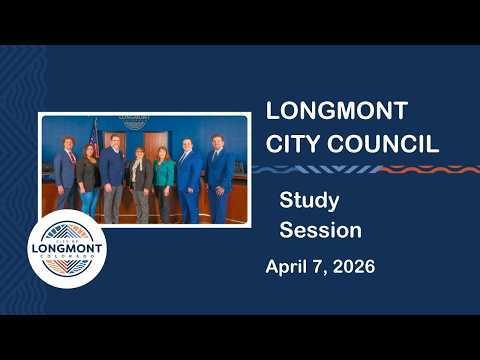
Longmont’s City Council voted April 7 to support two bills pending at the statehouse.
SB26‑148: The council voted to support legislation that would authorize an on‑bill repayment program to finance certain residential energy upgrades through a clean‑energy fund administered by a nonprofit. Staff said the program would be an opt‑in municipal policy and noted a fiscal-note issue: the fund relies on unclaimed‑property revenues for initial capitalization. The motion to support SB26‑148 carried unanimously with Council Member Popkin absent.
SB26‑150: The council also voted to support SB26‑150, legislation implementing reforms recommended by an RTD accountability review. The bill includes two main elements highlighted by staff: (1) stronger analysis and options for disability access and passenger services and (2) changes to RTD board composition to add appointed experts in finance, land‑use and transit operations while reducing the board’s size. Several council members expressed concern that the proposed appointment authorities (some seats filled by the governor and DRCOG) could dilute local voice and reduce direct representation; Council Member Christ voted against the motion on that basis. The motion to support SB26‑150 passed 5–1 (Council Member Christ opposed; Council Member Popkin absent).
Council discussion referenced the accountability committee’s detailed work and the tradeoffs between representative seats and technical expertise on a regional transit board. Council members said they want any changes to preserve Longmont’s ability to advocate for local transit priorities and to watch for unintended consequences of a smaller board and different appointment processes.
What happens next: The city’s adopted positions will be transmitted to legislative committees and to regional partners; staff said they will continue to monitor and may testify to explain local concerns about board composition and the appointment process.