Get Full Government Meeting Transcripts, Videos, & Alerts Forever!
Get email alerts on the Transportation topic
No spam. Unsubscribe anytime.
RSU 22 weighs off-site bus contract that staff estimate would add roughly $650,000 a year
Summary
At the April 7 budget committee meeting RSU 22 staff presented two transportation contract options: an on-site (status quo) price and an off-site vendor-operated option that is about $650,000 higher in year-one pricing and roughly $3 million more over a five-year contract; members pressed staff on routing, driver shortages, safety rules and contingency plans.
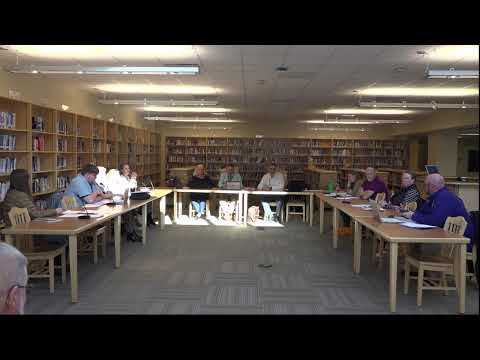
RSU 22’s budget committee on April 7 reviewed Article 8, the student-transportation portion of the proposed budget, and discussed competing contract options presented in a recent RFP.
Mr. Raymond told the committee the district received two types of bids for transportation services: an on-site option that retains the current bus parking and operations at district property, and an off-site option that would require the vendor to operate from its own facility. He said the off-site bid is approximately $650,000 higher than the on-site bid and estimated that difference would amount to just over $3,000,000 across a five-year contract.
Committee members raised practical concerns: parking congestion at the Weatherby/McGraw bus garage during morning pick-up and drop-off, whether some runs are operating with many unfilled seats, and whether switching to smaller vans or consolidating stops could reduce costs. Mr. Raymond said routes are based on eligibility rules and that some vacancies are a product of changing enrollments; he also noted last year’s work to reduce bus numbers.
Members asked whether vendors can meet a pending state bus-safety law (questions included swing arms and other safety devices); Mr. Raymond said the contractor would be expected to meet any legal requirements. Staff also described difficulty hiring drivers — certification takes months — and said the new proposal requests contract language to reimburse the district for routes if runs are reduced.
On delays and accountability, members said inconsistent arrival times (up to 30–40 minutes late in some reports) are an ongoing concern. Mr. Raymond and other staff said driver shortages and long certification processes contribute to delays, and the committee discussed contingency approaches such as contracted vans for special-education routes and better data collection on ridership to reduce unnecessary stops.
The committee did not adopt a contract at the April 7 meeting; Mr. Raymond said the transportation item will be on the agenda at the next board meeting for further consideration.