Get Full Government Meeting Transcripts, Videos, & Alerts Forever!
Get email alerts on the Human Rights Azerbaijan topic
No spam. Unsubscribe anytime.
Witnesses at Tom Lantos Commission say Azerbaijan carried out ethnic cleansing in Nagorno-Karabakh and urge sanctions, tribunals
Summary
Witnesses and commissioners at the Tom Lantos Human Rights Commission hearing said Azerbaijani forces used blockade, bombardment and forced displacement in Nagorno-Karabakh, documented cultural-heritage destruction, and urged U.S. sanctions, prosecutions and diplomatic pressure ahead of COP29.
The Tom Lantos Human Rights Commission convened a hearing focused on alleged human-rights abuses in Nagorno-Karabakh and broader repression in Azerbaijan, with witnesses urging the United States and the international community to impose sanctions, press for the release of political prisoners and pursue accountability through courts or a hybrid tribunal.
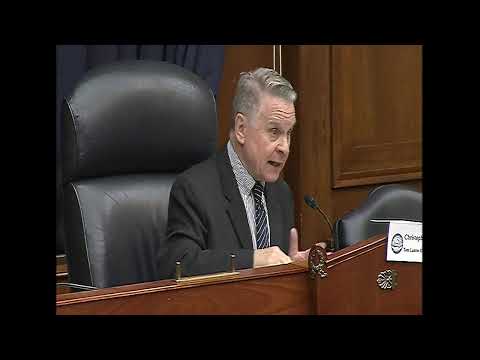
Co-chairman Smith opened the session by marking the one-year anniversary of the fall of Nagorno-Karabakh and urging stronger U.S. action. He described the 2022–23 blockade and subsequent military advance as having “starved the Armenians of Nagorno-Karabakh right to the edge of mass famine” and said the United States must pursue accountability, including through prosecutions in a hybrid court or the International Criminal Court.
Garam Stepanian, the former human-rights ombudsman of Artsakh who testified about being forcibly displaced, said he witnessed the blockade’s humanitarian toll firsthand. “I saw with my own eyes how people including over 30,000 children were living in cold conditions without gas with frequent electricity outages and struggling to find food every day,” Stepanian said, and he urged targeted sanctions and an international platform for a safe, dignified collective return of displaced people.
Adam Smith of Caucasus Heritage Watch described satellite-based research documenting widespread damage and targeted destruction of Armenian cultural sites. “Attacks on heritage monuments are not just violence against buildings; they are violence against a people and against their collective identity,” he said, summarizing findings that dozens of sites were destroyed or at immediate risk and calling for sustained monitoring and reputational consequences for perpetrators.
Kate Waters of Crude Accountability and Andrea Paso of Freedom Now highlighted a sharp increase in arrests of journalists, activists and civil-society leaders this year. Waters cited public reporting and government and NGO documentation indicating roughly 300 political prisoners in Azerbaijan as of June and urged Congress and the administration to make human-rights conditions central to diplomatic engagement and to press Baku to release detainees before COP29.
Sharma Mardo of the Center for Truth and Justice described testimony-gathering efforts and survivor accounts of violence and maltreatment, and she told commissioners the group has collected hundreds of sworn testimonies from victims and eyewitnesses. She urged decisive international pressure to secure information on missing persons and the release of hostages and prisoners of war.
Commissioners and witnesses outlined a menu of policy responses: targeted Magnitsky‑style sanctions against Azerbaijani officials, conditioning U.S. assistance on measurable human-rights improvements, a congressional letter and public naming of political prisoners ahead of COP29, increased international monitoring along sensitive borders, and exploring legal avenues including ICC referrals or a hybrid court. Chairman Smith announced plans to introduce legislation (described in the hearing as an “Azerbaijan Democracy Act” and an “Artsakh Revenue Recovery Act”) to punish and recover assets linked to abuses and to create compensation funds for displaced Armenians.
Speakers repeatedly warned of the reputational risk posed by holding COP29 in Baku while alleged abuses continue, and several witnesses urged U.S. and allied delegations to press the host country publicly and privately. Commissioners cited historical precedents for using diplomatic visibility—reading lists of prisoners at international meetings and leveraging sanctions and visa restrictions—to protect vulnerable populations.
The hearing closed with the commission committing to follow-up steps including drafting letters to the White House, preparing draft legislation, and amplifying witnesses’ evidence to policymakers. No formal vote or binding congressional action occurred during the session; witness recommendations will require further legislative or executive action to be implemented.