Get Full Government Meeting Transcripts, Videos, & Alerts Forever!
Get email alerts on the Mayoral Campaign topic
No spam. Unsubscribe anytime.
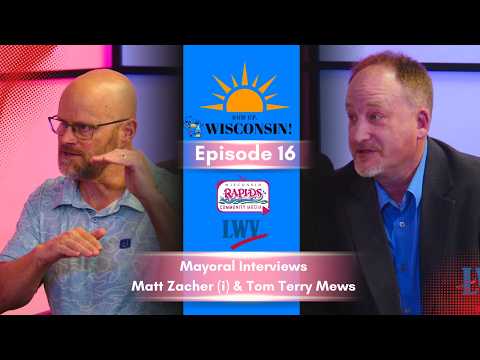
Tom Terry Muse calls for annexation, public-safety focus and tax relief in Wisconsin Rapids bid
Summary
Tom Terry Muse, running for mayor of Wisconsin Rapids, emphasized job creation, addressing drug-related crime, and property-tax relief. He proposed annexing adjacent residential areas to expand the tax base and discussed shared regional EMS funding.
Tom Terry Muse, a mayoral candidate who introduced himself on the program, framed the city’s primary challenge as economic fallout from the loss of the paper industry and said his priorities are jobs, crime reduction and stabilizing property taxes.
Tom said many local families and his own household were affected by the mill’s decline and that the community needs higher-quality jobs and support for displaced workers. “We simply because of the loss of the paper industry, we have been impacted dramatically,” he said, connecting employment loss to household income pressure.
On priorities, Tom listed jobs, public safety — including addressing drug issues — and property-tax relief. He said the tax increases residents have faced (he cited examples where homeowners saw taxes rise from roughly $4,000 to $10,000) demand policy change and regional coordination on courts and policing to support local law enforcement.
Tom proposed annexing adjacent residential areas (he named Port Edwards, Grand Rapids and other neighboring places as examples) to expand the city’s levy limit and tax base. “By pushing the borders of Wisconsin Rapids out…we’ll have more funds to carry out the necessary services,” he said, arguing annexation would add residential value to the levy calculation.
He also discussed coordinating emergency services and governance, suggesting a consolidated governing body for nearby volunteer departments to share equipment and costs and noting that annexation could help pay for new fire apparatus and services.
On lead-service-line replacement, Tom echoed that federal timelines are driving the work and said the city must clarify responsibilities between utilities and homeowners and seek DNR/federal grant opportunities before imposing costs on residents.
Tom urged residents to volunteer, run for office and participate in surveys and civic life; he said he has spoken to roughly 3,000 residents during his campaign and described low survey response rates (about 200 respondents) as a concern. He closed by saying voters should choose him for a practical, citizen-driven approach to governance and repeated his proposals on annexation and stronger executive authority to match a growing city footprint. The interview referenced the April 7 election date for which he is a candidate.