Get Full Government Meeting Transcripts, Videos, & Alerts Forever!
Get email alerts on the Corrections topic
No spam. Unsubscribe anytime.
Grant County jail options draw sharp debate as commissioners, sheriff and residents disagree
Summary
Commissioners and members of the public debated whether to repair, renovate or build a new jail. Commissioners and the sheriff said the current facility is at the end of its useful life; others urged lower-cost repairs and alternatives to reduce taxpayer burden.
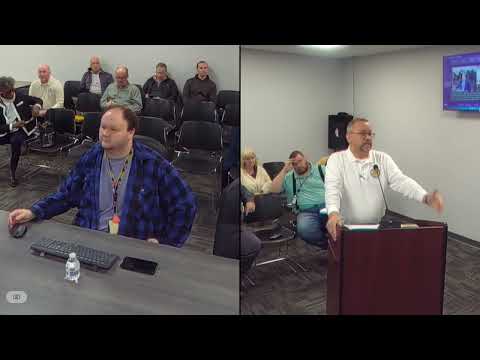
The Grant County Board of Commissioners spent a substantial portion of its March 2 meeting hearing competing views about options for the county jail: some commissioners and the sheriff argued the facility is beyond its useful life and requires replacement, while others and several public commenters urged pursuing lower-cost repairs or alternative approaches to limit impact on taxpayers.
A county jail study from several years ago has recommended replacement, and county architects and the sheriff were cited by commissioners as saying the existing jail is a liability and could require a new facility within a decade. Supporters of renovation pointed to a range of smaller, targeted investments (including rehabilitating an existing facility called the D home) that they said could add years of usable life at a fraction of the cost of a new build.
Public commenters emphasized the tax burden of a large capital project. One speaker noted a correctional-rehab tax (0.2%) intended to generate roughly $3 million a year was in place and suggested those funds and program adjustments could be used to address needs without issuing a large bond immediately. Other residents urged careful cost analysis and transparent scenarios for different options, saying decisions should be accompanied by clear financial projections and projected impacts on shipping inmates out of county.
Commissioners asked staff for more detailed, written analyses that compare scenarios side-by-side (repair/renovate, partial renovations plus reuse of other facilities, or new construction) and for updated cost estimates and financing implications. No formal decision or vote on a specific construction option occurred at the meeting; the board recessed with direction to continue work and return with more cost analysis.
Context and competing claims: commissioners referenced multiple prior studies and vendor estimates. One commissioner said an earlier study put the cost at roughly $120 million, while later architect estimates suggested a figure near $75 million for certain new-build options; several speakers noted financing and interest would raise lifetime costs and urged transparent presentation of total taxpayer impact.
Next steps: commissioners requested written scenario analyses and directed staff to prepare materials to inform upcoming committee meetings.