Get Full Government Meeting Transcripts, Videos, & Alerts Forever!
Get email alerts on the Waiver Eligibility topic
No spam. Unsubscribe anytime.
Lawmakers weigh tightening waiver eligibility to restrain program growth amid warnings it could force some into nursing homes
Summary
A proposal to remove 'risk of homelessness' as an eligibility criterion for certain waivers produced a heated committee debate: counties and some lawmakers argued it would curb unsustainable growth and save tens of millions; disability advocates warned it could violate Olmstead principles and push people into nursing homes.
Committee members spent significant time on a proposal to tighten eligibility criteria for brain injury and community‑access waivers and related waiver categories, seeking to slow rapid enrollment growth in the waiver system.
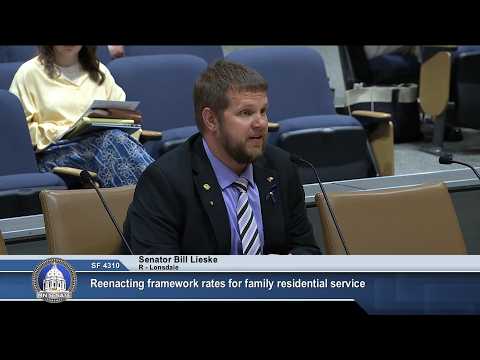
Sponsors and county officials argued the policy is needed to rein in spending growth. Committee discussion referenced estimates in department materials and the governor's budget showing projected biennial savings in the low‑tens of millions (committee discussion cited figures of roughly $42M–$51M across the biennium). County representatives said the reform would focus waivers on people with institutional‑level needs and asked that any savings be applied to county cost‑share targets.
Opponents included Legal Aid/Disability Law Center staff who warned the change would make some people ineligible for waiver services and could force them into more expensive and congregate settings such as nursing homes. Alan Start, a staff attorney, described hypothetical clients with seizure disorders or severe diabetes management needs who rely on overnight monitoring or supports: removing the current criteria, he said, "would force disabled Minnesotans out of their homes into nursing homes and other congregate settings."
Committee members acknowledged the tradeoffs. Sponsors said the bill contains transition and notice requirements and that other state plan services (PCA, CFSS, mental health supports) could be used for some people losing waiver eligibility. Members asked DHS to provide analysis on where affected individuals would be likely to land and requested assurances about transition plans to mitigate harm.
What happens next: The committee laid the proposal over for continued work and asked DHS and fiscal staff to provide more granular impact analysis, transition safeguards and a plan for how savings would be accounted for in larger budget targets.