Get Full Government Meeting Transcripts, Videos, & Alerts Forever!
Get email alerts on the Crypto Kiosks topic
No spam. Unsubscribe anytime.
Committee approves bill to regulate crypto kiosks, impose ID and fees disclosure to curb scams targeting seniors
Summary
House Bill 380, sponsored by Rep. Tom Smith and amended by a committee substitute, passed the committee. The substitute sets a $2,000 daily transaction cap, requires transaction identification and fee disclosure, adds licensing and compliance requirements, and creates criminal penalties and fraud‑refund provisions; AARP, law enforcement and industry representatives testified.
Representative Tom Smith introduced House Bill 380 and described the measure as an effort to curb scams that send victims—often older adults—to cryptocurrency kiosks that resemble ATMs.
"One of the issues we're facing in law enforcement today is the victimization of our senior citizens through these criminal organizations with quite sophisticated scams," said Sheriff David Charles, who told the committee of cases in which seniors withdrew thousands of dollars and deposited it into kiosks at a scammer’s direction.
Harold Miller, who described himself as a resident and a fraud survivor, and AARP witnesses told the committee that kiosks are increasingly the point of transfer for scams and recommended guard rails. Daniel Row, AARP Kentucky State Advocacy Manager, and Gary Atkins, AARP volunteer state president, urged the committee to adopt protections for older Kansans (as described in testimony) and cited national reports and Coin ATM Radar data on kiosk prevalence.
The committee adopted a substitute that sets a $2,000 daily transaction cap, requires clear fee disclosure and consumer opt‑in before transactions, mandates identification for every transaction, requires kiosk operators to maintain compliance officers, establishes licensing under a new subtitle in the financial institutions chapter, provides fraud‑refund tiers (full refunds when the operator is implicated and fee refunds otherwise), and includes criminal penalties and oversight by the Attorney General and the Department of Financial Institutions. The substitute delays the bill’s effective date into 2027 to allow regulators time to promulgate implementing rules, per the Department of Financial Institutions’ request.
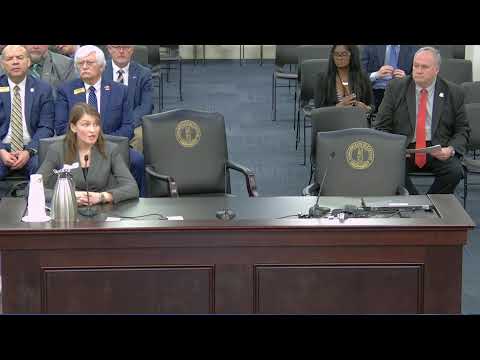
Clara Wolson, associate director of government relations at Coinflip, told the committee Coinflip supports most of the bill and described existing compliance efforts, including money‑transmitter licensing and Bank Secrecy Act obligations. Wolson disputed some published allegations about industry fraud rates and pointed to blockchain‑analytics firms that estimate illicit‑activity rates for the industry in a low single digit percentage range.
Representative Pollock moved the bill as amended by the substitute and Representative All seconded. The committee recorded affirmative votes and Chair Meredith announced House Bill 380 as amended passed the committee with a favorable recommendation to the House floor.
Next steps: The bill will proceed to the House floor; regulators will draft rules to implement the licensing and compliance framework before the bill’s delayed effective date.