Get Full Government Meeting Transcripts, Videos, & Alerts Forever!
Get email alerts on the Employee Benefits topic
No spam. Unsubscribe anytime.
Board weighs stop‑loss repricing and possible cash infusion as health fund posts strain
Summary
Joplin Schools officials told the board they may need a mid‑year cash infusion and to reprice stop‑loss coverage after higher than expected claim activity left the health fund under pressure; administrators discussed options including higher deductibles, broker review and employee education.
Joplin Schools finance staff told the board the district’s self‑insured health plan has experienced an unusually costly year and administrators are weighing a mid‑year cash infusion and changes to stop‑loss coverage to stabilize the fund.
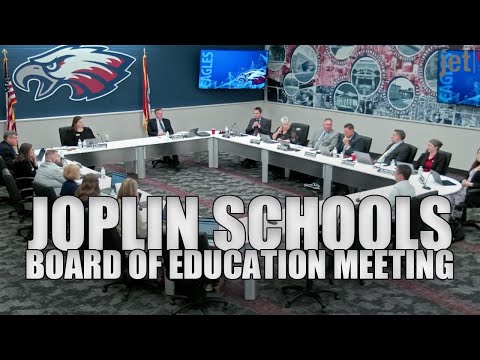
At the Nov. meeting, Dr. Dicki said the district has spent about $3.7 million as of Oct. 31 — roughly 42% of the fiscal‑year health budget — and noted revenue increases but also higher disbursements. She said the fund’s October ending balance was $433,000 and referenced a broader plan balance of about $2.3 million, adding that the district is “watching it very closely” and modeling scenarios that could require an infusion of district funds.
Board members pressed staff on stop‑loss structure and alternatives. A board member noted the district’s per‑person annual stop‑loss sits at $200,000 and that many claimants this year fell below that threshold, which limited reimbursements. Dr. Dicki said the district does not have a lifetime stop‑loss cap, only annual and aggregate protections, and that leaders are repricing options for next year to find a cost‑effective balance between premiums and deductibles. She warned that fully funded private plan quotes could require 30%–40% premium increases for employees.
Administrators described other options under review, including joining a purchasing consortium, adjusting district/employee premium share, and seeking more targeted stop‑loss terms. They said mid‑year repricing is not available from carriers but will be considered when negotiating next year’s plan. Board members also asked whether brokerage services should be rebid; staff said the district has not recently sent the contract to bid but is reviewing broker performance with Barker Phillips Jackson and other options.
Officials said education for staff remains a practical lever to reduce avoidable costs, citing a record number of emergency‑room visits this year and the potential to encourage lower‑cost alternatives such as telehealth or urgent care when appropriate. Veronica, speaking during the discussion, noted recent rebates and reimbursements the district received and reported a third‑quarter rebate amount of $212,000.
The board did not take formal action other than to continue reviewing options. Administration said it will bring further pricing comparisons and recommendations back to the board for a decision on any premium or plan design changes.
The board’s next regular meeting will include follow‑up on stop‑loss repricing and potential budget adjustments.