Get Full Government Meeting Transcripts, Videos, & Alerts Forever!
Get email alerts on the Land Use topic
No spam. Unsubscribe anytime.
Land‑use review sparks heated debate over Sand Hill Crane habitat and housing strategies in Kalispell work session
Summary
During a long work session on the draft 2045 land‑use plan, councilors and staff debated whether to label extensive off‑city land as "environmentally sensitive" for Sand Hill Cranes and discussed housing strategies including ADUs, duplexes and four‑unit structures; council asked staff to await Fish, Wildlife & Parks mapping before acting on habitat designations.
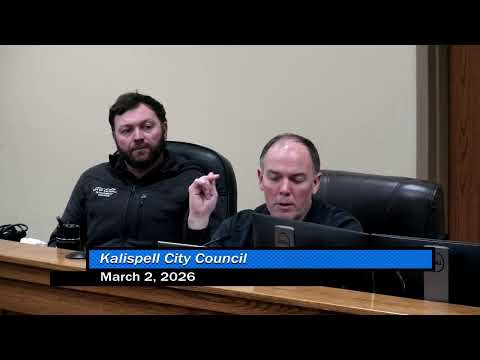
A March 2 work session on the city’s draft 2045 land‑use plan turned into a lengthy, at times heated, debate about environmental mapping and housing policy.
Staff presented edits to multiple chapters (parks, natural resources, housing strategies and the future land‑use map). Among the substantive edits was proposed language adding an environmental‑sensitive designation for an area identified by outside stakeholders as important Sand Hill Crane habitat. Councilors and staff noted Fish, Wildlife & Parks (FWP) has indicated it intends to provide a more specific map; some councilors urged staff to wait for FWP’s letter and map before the city adopts any formal sensitive‑area designation.
The discussion exposed clear divisions. Proponents said identifying the area in the growth plan would create a documented basis to comment on development proposals and to coordinate future conservation measures; opponents said labeling private land outside city limits risks constraining property owners, stepping on private‑property rights and overreaching the city’s jurisdiction. Staff repeatedly proposed deferring a final decision until FWP provides a mapped resource to avoid unilateral designation without state input.
Council also examined the plan’s housing strategies: permitting duplexes where single‑unit dwellings are allowed, permitting accessory dwelling units (ADUs), encouraging higher density near transit and employment nodes, permitting tiny‑home standards (Appendix Q) and considering reductions to parking minimums to support housing production. Several councilors signaled support for some strategies (ADUs, duplexes and targeted higher density) but were wary of automatically allowing four‑unit structures in established single‑family neighborhoods without broader public support. Polling presented earlier in the meeting showed some public support for measures to expand housing options, but councilors said survey samples and outreach methods differ and urged caution before changing regulations that affect neighborhood character.
Staff closed the session by reviewing the schedule: council will consider final edits next week, a public hearing on the land‑use plan is set for March 16, and council action would be scheduled in April. For the crane‑habitat question staff said they will seek FWP’s map and incorporate that material into the next draft and public materials for the March 16 hearing.
The work session illustrated the tradeoffs the council faces between protecting environmental resources, respecting private‑property concerns and implementing state‑required housing strategies; council asked staff to return with the FWP map and to bring zoning and subdivision changes through the normal public‑hearing process before any regulatory action.