Get Full Government Meeting Transcripts, Videos, & Alerts Forever!
Get email alerts on the Waste Regulation topic
No spam. Unsubscribe anytime.
Richmond staff explain local foodware ordinance and state laws (SB 1383, AB 1884) shaping waste rules
Summary
City of Richmond staff outlined the city's foodware ordinance (municipal code 9.17), local bans on noncompostable foodware and plastic straws, and described state requirements including SB 1383 procurement rules and contamination penalties tied to recycling and organics compliance.
City of Richmond environmental staff summarized local regulations and the state laws that are driving changes in how businesses and residents handle foodware, packaging and organics.
Valerie of the City’s Environmental and Health Initiatives Division explained Richmond’s foodware ordinance (municipal code 9.17), which restricts noncompostable plastic foodware and prohibits single‑use plastic straws and stirrers. She linked the local rule to state law (AB 1884) and described enforcement channels for residents who observe noncompliant practices at restaurants or retail establishments.
Nut graf: The presentation positioned local rules as part of a wider California policy push (SB 1383, AB 341, AB 1826 and others) that requires expanded organics collection and sets procurement and packaging requirements for local governments and producers. City staff said Richmond expects to use outreach and vendor contracts to meet recycled‑content procurement standards and to reduce contamination that could trigger surcharge fees.
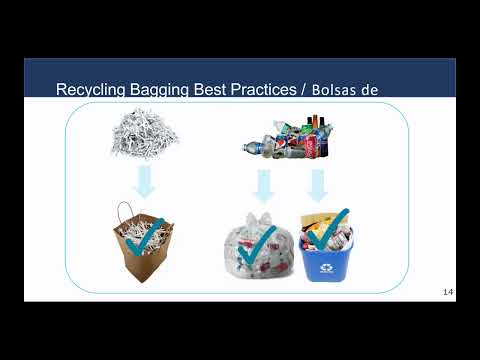
Samantha Carr, environmental manager for the city, gave a focused note on SB 1383 compliance: municipalities must purchase paper products meeting certain recycled‑content thresholds and monitor residents’ composting and recycling practices to avoid contamination. She warned that improper recycling or organics contamination can lead to surcharges or fines and urged residents to attend workshops and use the new Richmond outreach materials to avoid penalties.
Valerie also reviewed recently enacted state measures cited in the presentation: AB 1276 (condiments/accessories provided only upon request), AB 45 (allowing certain hemp‑based compostable products), and SB 1053 (retailer bag requirements effective Jan. 1, 2026). She advised customers that compostable or paper bags and reusable foodware are preferable, and encouraged reporting of violations through Richmond’s apps and complaint hotlines listed in the iHeart Richmond booklet.
The session concluded with staff offering to follow up on technical product questions (for example, which compostable items qualify under AB 45) and promised additional outreach to businesses and residents to improve compliance.