Get Full Government Meeting Transcripts, Videos, & Alerts Forever!
Get email alerts on the Ordinance 257 topic
No spam. Unsubscribe anytime.
Lane County sets May goal to pass housing ordinance after debate over riparian rules and timing
Summary
The Board of Commissioners approved a schedule to continue the sixth reading of Ordinance 257 and pursue adoption in May 2026, amid debate over riparian amendments, potential legal challenges, and staff capacity to produce engrossments for April work sessions. The motion passed 3-2.
The Lane County Board of Commissioners voted to approve the sixth reading of Ordinance 257 and set a schedule aimed at final passage in May 2026 after a lengthy discussion about scope, legal risk and staff capacity.
Commissioner Far moved to approve the sixth reading and to return for a work session on April 7 to consider possible engrossments, a seventh reading on April 14, and final action in May. The motion, seconded by Commissioner Leval, carried 3-2 with Vice Chair Buck and Commissioner Trigger dissenting.
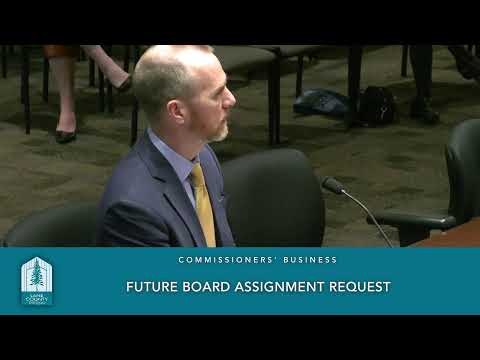
Ordinance 257 would amend Lane Code Chapter 16 to adopt clear-and-objective standards for housing and residential areas and update numerous related code sections, staff planner Rachel Cerslov told the board. Cerslov said staff had incorporated stakeholder-suggested code changes and provided a three-page issues matrix produced with a facilitator, the Lane Council of Governments (ELCOG), following a March 12 meeting.
“Successful facilitated meetings last week conducted by Lane Council of Governments and the topics matrix generated as a result of those facilitated meetings,” Cerslov said, summarizing staff outreach and the revisions now before the board.
Commissioners debated whether staff could produce proposed code engrossments in time for the April packet and emphasized legal risks tied to riparian-area language. County counsel warned the board of pending enforcement risks and said a notice of intent to file a petition for an enforcement order was expected; counsel urged timely action to reduce the chance of a stay.
Commissioner Far argued that clear-and-objective standards would help expedite housing construction and urged a May timeline: “We can be a part of the solution by expediting within Oregon law the construction of housing,” he said, urging work sessions and facilitated meetings between staff and stakeholders.
Opponents on the dais said they feared rushing could amplify litigation risk or leave unresolved technical issues. Vice Chair Buck and Commissioner Trigger voted no on the schedule motion, citing concerns about packet deadlines and the ability of staff to draft proposed engrossments by April 7.
Next steps: staff will return for a work session on April 7 to present options on potential engrossments and a seventh reading is scheduled for April 14. The board’s action keeps the ordinance alive for additional stakeholder meetings and code drafting ahead of a planned May adoption vote.
The board’s approval of the schedule does not itself change the ordinance text; any code changes will be drafted by staff based on the board’s policy direction and presented for a subsequent public hearing and formal vote.