Get Full Government Meeting Transcripts, Videos, & Alerts Forever!
Get email alerts on the Planning And Zoning topic
No spam. Unsubscribe anytime.
New Canaan Charter Panel Debates Whether Planning & Zoning Should Be Elected or Appointed
Summary
Commissioners split over whether to keep the Planning & Zoning Commission appointed or make it an elected body; supporters of appointment stressed technical expertise and reduced politicization, while others urged sending the question to voters or expanding appointment transparency. A formal recommendation was proposed but deferred to the next meeting.
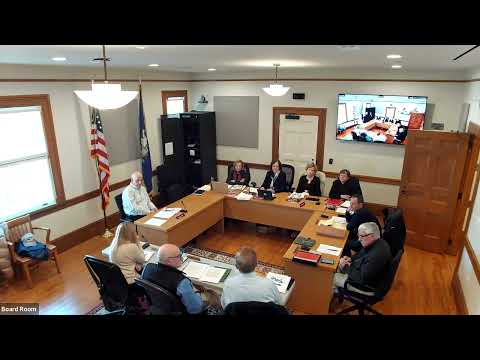
The New Canaan Charter Revision Commission spent much of its March 24 special meeting debating whether to keep the Planning & Zoning Commission appointed or to make it an elected body, with members proposing several alternatives — including hybrid models and procedural reforms — and deferring a final recommendation to the next session.
The commission’s compiled draft packet, prepared from members’ written submissions, framed the question and summarized pros and cons. "If it ain't broke, don't fix it," one summary of public input noted; other commissioners argued the status quo could be improved by formalizing appointment procedures. Angela, who reviewed interviews with current and past commissioners, said after that review she favored retaining appointment but changing the appointment process to increase transparency and candidate outreach.
Supporters of appointment argued the model brings specialized expertise and insulates land‑use decisions from short‑term electoral pressures. "The specialization of skills that you can build with that team I think is a really big benefit to the appointment process," Russ Kimes said, adding that employer conflicts and the demands of campaigning could deter qualified candidates from running.
Opponents and moderates urged broader public input or a voter referendum. "The survey tells us there's a lot of people in the community," Joe said, summarizing the commission's public survey and saying the commission could recommend that the town council submit the question to voters. Survey data discussed in the meeting showed roughly one‑quarter of respondents explicitly favored elections, one‑quarter favored appointments, and half did not address the question directly; commissioners cautioned the sample size (about 115 responses at the time discussed) is not statistically representative of the full electorate.
Members debated hybrid approaches. Steve raised the idea of elected alternates or other mixed models to bring "outlier voices" to the table; legal counsel and commissioners warned some hybrids are complex and may lack precedent in Connecticut. Several commissioners suggested reforms short of full election, such as posting openings publicly, formalizing interview and nomination steps, or requiring reappointment deliberations be public.
The commission also discussed potential downsides to elections, including campaign‑driven decisionmaking and periodic disruption to ongoing hearings. Commissioners cited neighboring towns with elected land‑use bodies as examples of different approaches and noted local experience varies.
Commissioner Judy moved that the commission prepare a recommendation to place the question of whether P&Z should be elected on the ballot; the motion was seconded but members agreed not to take a final vote that night. The commission scheduled further discussion and a likely straw poll at its next meeting. The CRC’s draft report to the town council is due by May 4, and the council will determine whether any charter changes are advanced to a townwide referendum.
What happens next: The commission plans to continue the P&Z discussion at its next meeting, including possible votes or straw polls; commissioners also asked staff to circulate additional comparative data and a consultant memo on term limits and related reforms.