Get Full Government Meeting Transcripts, Videos, & Alerts Forever!
Get email alerts on the Budget topic
No spam. Unsubscribe anytime.
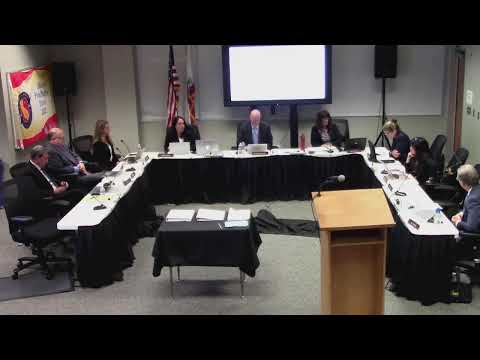
District finance chief previews 2024–25 budget as trustees debate $1M for secondary interventions
Summary
Carlsbad Unified staff presented a first-look 2024–25 budget that projects a move into Basic Aid and rising special-education contributions; Trustee Pearson proposed nine secondary intervention teachers (~$1 million), prompting requests for site-level implementation details before the board will commit funds.
Carlsbad Unified presented a first-look 2024–25 proposed budget and a trustee proposal to add nine secondary intervention teachers, with staff urging more detailed site plans before any final commitment.
Finance director Mr Dill told the board the district is likely to become a Basic Aid district next year as property tax growth outpaces the state Local Control Funding Formula entitlement. He said that, while unrestricted revenue shows modest growth, the district must increase its contribution to restricted programs — notably special education — and estimated roughly $2–3 million of the budget change ties to higher special-education expenditures.
The presentation explained key budget drivers: three-year rolling average ADA, low state COLA, property-tax projections and a projected shift in the mix of local vs. state funding that will make the district rely more on property tax (Basic Aid). Staff also noted a decrease in SELPA allocations (approximately $700,000) and explained that some one-time grant dollars from prior years have been expended or rolled forward, affecting year-to-year comparisons.
Why it matters: becoming Basic Aid shifts revenue stability to local property tax, which buffers the district against state funding volatility but alters long-term planning and the mix of unrestricted versus restricted dollars the board can allocate.
Trustee Pearson proposed the board seek consensus to add roughly nine secondary intervention teachers distributed across middle and high schools (three at one high school, two at another, two at a middle school pattern outlined by the trustee), with an estimated cost of about $1 million funded from the general fund. Pearson said the investment would provide targeted help given low assessment results, citing district testing figures in the discussion.
Several trustees and staff exchanged questions about whether site principals had requested this specific allocation, how an intervention model would be structured at the secondary level (a standalone intervention class, integrated IAs, or scheduling changes), and whether current secondary strategies (READ 180 and other intervention courses) were working. Dr NY and site staff said some secondary interventions exist, but the proposed distribution and model would require more micro-level analysis before committing general-fund dollars.
Staff response and next steps: Mr Dill and other administrators said they had run cost estimates but had not received a formal site-driven implementation plan. Trustees asked staff to return with a clearer model showing where the positions would be placed, how they would be scheduled, projected student impact, and whether comparable outcomes exist where similar interventions were tried. No formal motion or vote on the additional positions occurred at the meeting.
Budget technical notes: staff clarified that certain revenue items (donations, facility-use fees and grant timing) are treated conservatively at adoption and that closing-year savings historically improve the beginning balance in September; digitized materials and reduced hard-copy ordering helped lower an instructional-materials quote later in the evening.
Outlook: staff will refine options and costs for the intervention proposal and return to the board with more site-level detail during the budget review cycle; the district will bring the budget back for adoption at a later meeting.