Get Full Government Meeting Transcripts, Videos, & Alerts Forever!
Get email alerts on the Congressional Oversight topic
No spam. Unsubscribe anytime.
Committee member says Congress lacks adequate intelligence briefings as chair says briefings have been frequent
Summary
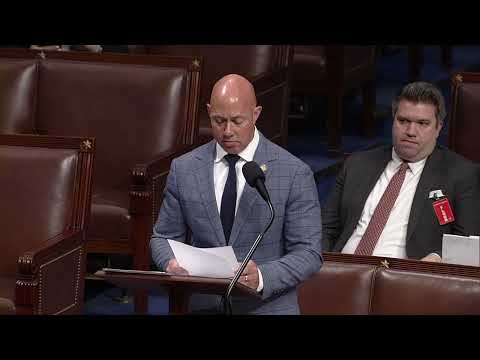
A committee member on the Intelligence Committee told the House Committee on Foreign Affairs they do not feel Congress is receiving appropriate briefings about Iran, while the presiding Chair said they had participated in roughly 30 briefings and were satisfied with the information provided. The exchange highlighted a disagreement over oversight access; no procedural action followed in the excerpt.
A member of the House Committee on Foreign Affairs who also sits on the Intelligence Committee said they do not believe Congress has been "appropriately briefed" on Iran, pressing for more or clearer information so lawmakers can fulfill oversight responsibilities.
The Committee member said, "I don't feel like we're getting the information" and described frustration that they and some colleagues on the intelligence side have not received the same briefings the presiding member described. The member framed the concern as central to performing congressional oversight.
In response, the Chair said they were satisfied with the content of the briefings they had received, listing "full house classified briefings with the secretary of war, the secretary of state, General Cain, director of the CIA, John Radcliffe" and an "expanded gang of 8" as examples, and adding that they had tracked "at least 30 separate briefings." The Chair also said they would welcome more tactical detail but noted limits on congressional access to some operational centers.
Why it matters: The exchange reflects a substantive oversight dispute about whether members of Congress are receiving timely and sufficient intelligence to evaluate threats. Lawmakers on the intelligence side signaled they want clearer situational awareness; the Chair said classified briefings have been frequent.
The colloquy concluded with customary acknowledgments and the Chair reserving time until the ranking member was ready to close; the excerpt does not record any follow-up directives or formal referrals.