Get Full Government Meeting Transcripts, Videos, & Alerts Forever!
Get email alerts on the Capital Master Plan topic
No spam. Unsubscribe anytime.
Kyrene presents FY27 capital master plan with $13.4M revenue assumptions; no bond sale planned
Summary
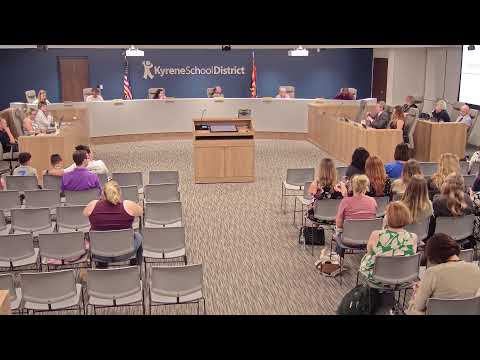
At a May 13 study session Kyrene district leaders laid out a five- to ten‑year capital master plan and FY27 revenue assumptions including $6.5M DAA, $8.5M annual capital override, and remaining bond proceeds from a prior sale; leaders said no bond sale is anticipated for FY26–27.
At a May 13 study session the Kyrene Elementary District presented its FY27 capital master plan, outlining funding assumptions and prioritized projects for the coming year.
Associate Superintendent Chris Herban told the board the district expects approximately $6.5 million in District Additional Assistance (DAA) next year, with about $1.6 million likely needed to support maintenance and operations, leaving an estimated $4.9 million for capital uses pending final budget true‑ups. He said the district’s capital override, approved by voters in November 2023, provides $8.5 million annually and that voter authorization to issue up to $161 million in bonds produced a spring issuance whose proceeds are expected to cover construction needs into FY26–27, so staff do not anticipate a new bond sale in the coming year.
Director of Facilities Mason Mead described the capital master plan’s three voter‑approved categories (maintain schools, transportation and administrative) and noted the FY27 maintain‑schools construction budget is about $20.5 million; instruments/equipment/furniture are budgeted at $400,000 and technology at $2.4 million. Mead listed planned priorities including roof and skylight replacements, mechanical‑yard upgrades (chilled‑water piping and fan coils), cooling towers at two sites, kitchen renovations and several site improvement projects such as play court resurfacing and parking lot repairs across multiple campuses.
Executive Director of IT Damien Nichols said the bulk of capital‑override IT spending goes to instructional devices and licensing and described device and infrastructure lifecycles (typically 5–8 years; some network infrastructure stretched to 10–12 years). He noted override funds can roll from year to year if projects are delayed and that occasional year‑to‑year spending may appear higher because of rollovers.
Board members asked how recently announced school consolidations affect the capital plan. Herban and Mead said the district is continuing to maintain buildings slated for potential closure and has not removed major projects from the FY27 plan; smaller adjustments (for example reallocating purchased furniture) have been made but no major capital dollars have been pulled until decisions about building disposition are finalized.
What happens next: the capital master plan remains a fluid document; projects will be added or deferred as priorities and funding change and staff will present consolidated FY27 operating and capital budget details during the June budget process.