Get Full Government Meeting Transcripts, Videos, & Alerts Forever!
Get email alerts on the Syringe Service Program topic
No spam. Unsubscribe anytime.
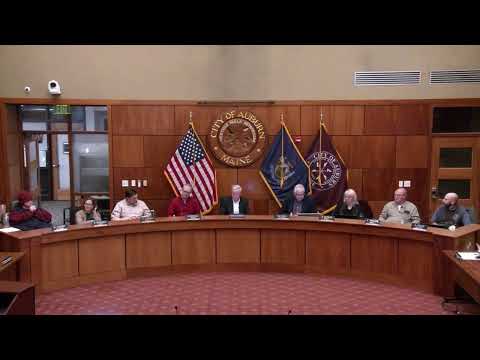
Auburn residents at forum urge rejection of proposed syringe service program
Summary
At a Dec. 15 public forum held before the Auburn City Council, multiple residents and a state representative urged the council to reject a proposed syringe service program, raising concerns about public safety, crime, and the programs' effectiveness and urging investment in treatment instead.
A large public forum at the Auburn City Council’s Dec. 15 meeting saw persistent opposition to a proposed syringe service program, with multiple speakers urging the council to say no and instead direct resources to treatment and law enforcement.
Residents, including Quenton Chapman and Roger Berron, described personal observations in Auburn and neighboring communities and said needle distribution normalizes and sustains drug use. "I agree with treatment, but I think handing out needles and letting people get high is absolutely wrong," said Quenton Chapman. Roger Berron argued needle-exchange programs can increase crime and said local government should not be in the business of "breaking the law" by distributing what he described as prescription items.
The forum drew several other speakers who echoed those concerns. A former councilor who identified himself as Steve Milk's said he saw no evidence that needle-exchange programs improve recovery and warned such programs "perpetuate their addiction." Representative Laurel Libby, who said she represents House District 90 but was speaking as a mother and citizen, urged an outright ban on such programs in Auburn and cited Portland, Sanford and Bangor as examples she described as having "disastrous outcomes." Audrey Murphy offered a longer critique, citing a 2019 review in Addiction and arguing that programs can draw open drug activity to neighborhoods and divert funds from treatment.
City staff explained the forum’s purpose: to solicit public comments on potential policy items that the council will consider at a Jan. 5 workshop, after which staff expect to draft an ordinance for a formal adoption process that will also include public comment. In response to an attendee’s question about outreach to other towns, staff said they have contacted other programs to gather input.
Few public comments supported the program at this session; those present repeatedly framed the issue as a public-safety and community-preservation concern and asked the council to prioritize treatment, enforcement and recovery services over needle distribution. The forum closed after staff reiterated next steps: further council workshops on Jan. 5 and subsequent ordinance drafting and adoption meetings that will include additional public comment.
The council did not vote on any policy at the session; the forum was a fact-finding step in the municipal process toward a potential ordinance.