Get Full Government Meeting Transcripts, Videos, & Alerts Forever!
Get email alerts on the Child Care topic
No spam. Unsubscribe anytime.
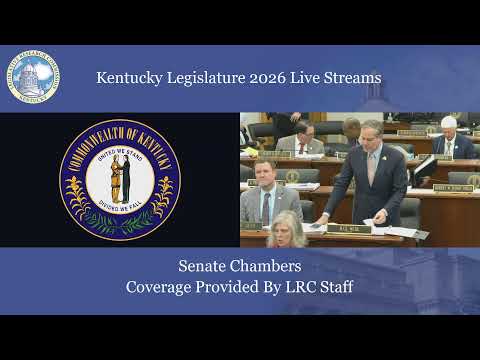
Senate passes broad child-care reform package aimed at affordability and workforce supports
Summary
House Bill 6, a wide-ranging child-care package consolidating quality metrics, subsidy reforms, and new program types, passed on March 31 after floor amendments; sponsors described it as the result of 18 months of stakeholder work and a first step toward expanding access.
The Kentucky Senate on March 31 passed House Bill 6, a comprehensive child-care reform package intended to expand access, modernize quality metrics and ease regulatory burdens for providers.
Senator from Jefferson 36, explaining the bill on the floor, said House Bill Six "reflects more than 18 months of conversations and consensus building" among more than 40 stakeholders and focuses on affordability, quality, employer participation and data transparency. The bill strengthens the state's low-income subsidy program, reforms the employee child-care assistance partnership, authorizes a new microcenter provider type, and codifies a free child-care program for child-care workers.
Senate floor amendments incorporating a kindergarten-readiness pilot (Senate Bill 191) and child-care regulation updates (Senate Bill 160) were adopted before final passage. Senator from Perry explained his "I" vote by urging stronger use of video in settings that serve children as a safety measure and noted continued concern among some members.
Why it matters: Sponsors said the changes will help more parents access affordable child care and support workforce participation by streamlining regulations, improving payment formulas, and modernizing the Kentucky Allstars quality system. The measure targets 100,000+ children who currently rely on child-care providers statewide and seeks to make the system easier to navigate for small providers.
Next steps: The bill will be enrolled for signature and implementation will require cabinet-level rulemaking and program adjustments; the joint resolution (HJR50) directing an auditor study of child-care regulations was also adopted to generate a regulatory roadmap.