Get Full Government Meeting Transcripts, Videos, & Alerts Forever!
Get email alerts on the Public Engagement topic
No spam. Unsubscribe anytime.
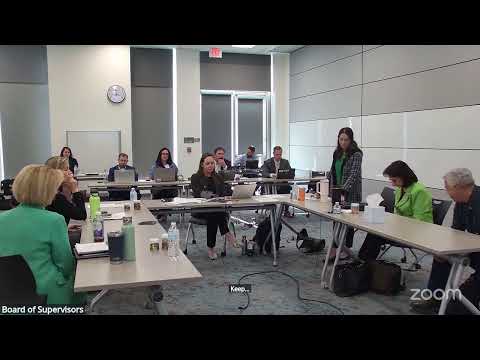
Placer supervisors agree to standardize MAC rules, clarify forums and notices after long debate
Summary
After hours of debate about Municipal Advisory Councils and community forums, Placer supervisors asked staff to consolidate MAC resolutions, clarify what MACs may consider under Chapter 17 (planning applications vs. broader informational forums), and fix cancellation/notice language and options for hybrid meeting technology.
Placer County supervisors directed staff to draft clearer, countywide guidance to resolve long-standing confusion over Municipal Advisory Councils (MACs), community forums and hybrid meeting practices.
Supervisors and staff spent an extended portion of a governance workshop unpacking when a meeting becomes a Brown Act body (the MAC) versus when the board or an individual supervisor can hold an informal community forum. Under current code, MACs called in the county zoning code (Chapter 17) are agendaized and Brown Act–compliant; that status triggers quorum, noticing and minutes requirements. Supervisors said the dual practice of running a 6:00 p.m. community forum immediately before a 6:30 p.m. MAC meeting creates confusion when a MAC meeting must be canceled for lack of quorum but the community forum would otherwise continue.
Staff and supervisors identified several practical issues: cancellation notices that unintentionally signal both meetings are canceled; whether “information” items may appear on MAC agendas; whether MAC members may participate in forums without creating Brown Act exposure; and the cost and logistical burden of hybrid (Zoom) set-ups — staff estimated $1,000–$1,200 per hybrid meeting in many venues.
Board members generally agreed on these next steps: draft a single, consolidated resolution to treat all MACs consistently (rather than a patchwork of local MAC resolutions), clarify the permissible scope of MAC agenda items (particularly planning applications vs. free‑form community updates), define a consistent notice/cancellation format so forums can proceed even if a MAC is canceled, and model hybrid meeting options and costs. Staff also suggested options for a contracts/transparency dashboard and automated public reporting to reduce the need to present routine items in person.
The board asked staff to return with draft language and comparative practices from other counties for public review and a future board hearing.