Get Full Government Meeting Transcripts, Videos, & Alerts Forever!
Get email alerts on the Local Government topic
No spam. Unsubscribe anytime.
Los Angeles City Council debates ordinance to set up Department of Neighborhood Empowerment, with members split over timing and details
Summary
The City Council extensively debated an implementing ordinance for the voter-approved charter change to create a Department of Neighborhood Empowerment and set rules for neighborhood councils; supporters called it the necessary first step, while others sought amendments or a short delay to refine membership, appointment and service-delivery language.
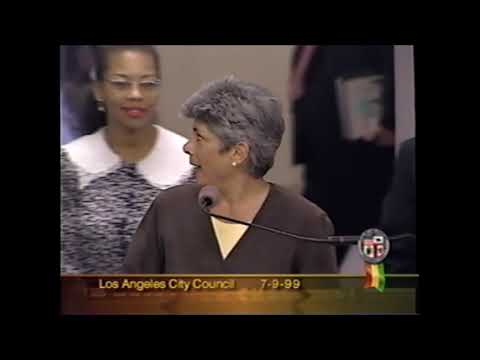
The Los Angeles City Council spent the bulk of its July 9 meeting considering an ordinance to implement charter reforms that would create a Department of Neighborhood Empowerment and launch a year-long public process to design neighborhood councils.
Proponents described the ordinance as the first step required by the charter reform voters approved in June. "This is the first legal step in implementing the public-mandated charter reform," Councilmember Wax said, urging colleagues to move forward so the department can begin the required planning process and return a neighborhood council plan within a year. The charter, Wax noted, requires the department be established promptly and then gives the department a year to prepare a plan and the council six months to act on it.
Several council members and public speakers urged caution on details that will determine how neighborhood councils work in practice. "There are questions about how existing organizations will be protected and whether neighborhood councils will subsume them," said speaker Harry Coleman during the public comment period. Community members and researchers pressed for clarity on whether the department would only facilitate communications or would have a role in coordinating service delivery; others warned against creating a "super agency." The city attorney explained that the proposed language would allow the department to "coordinate and involve relevant city staff in integrated problem solving with neighborhood councils," and that many operational specifics are intended to be developed during the year-long public process.
Councilmembers proposed multiple amendments on the floor. Among the changes discussed were deleting a subsection (referred to as "K") that some members said could be read as giving the department a service-delivery role, creating a screening panel of community organizers to recommend candidates for the department's general manager, and spelling out minimum stakeholder diversity and meeting-frequency requirements for certified neighborhood councils. Several members recommended adding explicit language to ensure board and manager appointments follow the charter (mayoral appointment with council confirmation).
Opinions on process diverged. Some members argued the ordinance should be adopted that day with unresolved technical questions referred to an ad hoc charter-implementation committee for the year-long rulemaking process. Others—including members who wanted time to review multiple new floor amendments and one absent councilmember who had asked for a continuance—asked to delay final action until Tuesday to allow full participation and written amendment drafting. "We can either vote today and send detailed rules to the committee, or give everybody a few days to read the amendments," said one councilmember during debate.
Public commenters repeatedly asked the council to protect existing community groups, ensure stakeholder diversity (including renters and low-income residents), provide translation and child-care supports to reduce participation barriers, and clearly define how neighborhood councils will interact with council offices and service departments.
No final ordinance vote is recorded in the provided transcript. The meeting closed the public comment period and continued floor debate and procedural motions; some members signaled they would support adoption once friendly amendments are incorporated, while others sought additional time to draft and consider amendments. The council recorded multiple roll-call decisions on unrelated consent items earlier in the session, but the Department of Neighborhood Empowerment ordinance remained under active discussion at the close of the available record.
Next steps: either the council will vote on the ordinance at its next scheduled action (with technical amendments forwarded to the implementation committee) or it will continue the measure to allow absent members and the full body to review drafted amendments.