Get Full Government Meeting Transcripts, Videos, & Alerts Forever!
Get email alerts on the Fee Modernization topic
No spam. Unsubscribe anytime.
Erie staff propose higher fines for unpermitted work and update rooming-house fees
Summary
Staff asked council to increase penalties for working without a permit or license from roughly $100 to $1,000, modernize rooming-house license categories and late fees, and delay strict enforcement until permitting systems and public education are improved.
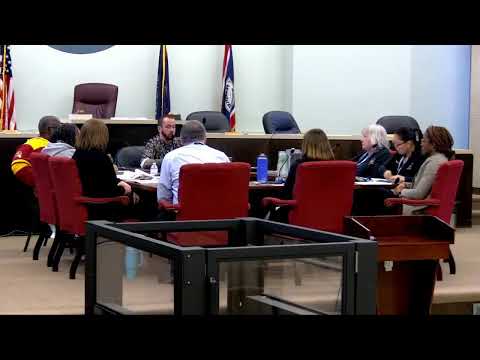
City staff told the Erie City Council study session they plan to modernize fees used to address blight, unsafe construction and unpermitted work, and to update rooming-house license categories.
At the meeting, staff said the quality-of-life penalty categories for “working without a permit” and “working without a license” (ordinance items cited as #25 and #26) are currently around $100 and are being recommended to increase to $1,000 given the frequency of unpermitted construction and worker licensing violations.
Easterling emphasized the administration does not want to penalize people before they understand new rules. “We don’t want to penalize people without telling them the rules,” she said, and staff proposed delaying enforcement of higher fines until the city revamps permitting and licensing processes and publishes clearer online guidance.
Rooming-house changes: staff recommended adding a new licensing category for larger boarding/rooming houses (for example, a 25–49 room category at $300 annually) and generally modernizing license tiers and late fees (late fees proposed at two times the license cost).
Council raised several implementation conditions: the permitting system must be modernized and coordinated with zoning, staff should provide checklists and education for new business owners and landlords, and district judges should be engaged early because citations can become part of the public record. Staff said they will delay enforcement until educational and software improvements are complete and that they may seek software funding from council to support online permitting and inspection tracking.
No ordinance changes were adopted at the study session; staff asked council for feedback and said they will return with draft ordinance language and proposed timelines.