Get Full Government Meeting Transcripts, Videos, & Alerts Forever!
Get email alerts on the Public Comment topic
No spam. Unsubscribe anytime.
Farmworkers, Families and Providers Urge Half Moon Bay to Approve Senior Housing at 555 Kelly
Summary
Dozens of residents, farmworkers and social‑service providers gave personal testimony in favor of Mercy Housing’s 555 Kelly Avenue project, emphasizing overcrowding, ill health and the need for dignified housing for senior agricultural workers; speakers asked council to move quickly while some neighbors raised parking and design questions.
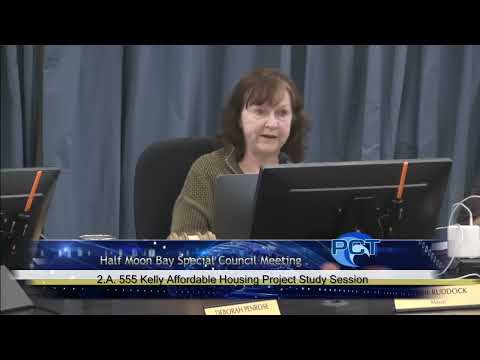
More than 70 people spoke during public comment at the Half Moon Bay City Council’s April 1 study session on the proposed 555 Kelly Avenue senior farmworker housing project, delivering repeated personal testimony about housing instability, aging without pensions, and the mental‑health toll of not having a stable home.
Farmworkers and relatives said the proposal—40 small units designed for seniors and retired agricultural workers—would let longtime Coastside residents age in the community where they have worked and raised families. "They are not asking for luxury. They are asking for something basic. A dignified home," said Rosio Aila, a member of the housing committee. Faith leaders and nonprofit staff echoed those pleas: "This building is a symbol of this community caring," said Joanne Rauski, summarizing why many faith‑based volunteers supported the project.
Service providers described direct health and food-access benefits. Windsor Concincaid, a licensed clinical social worker, told the council that stable housing can reduce depression, suicide risk and chronic stress among older farmworkers. Second Harvest and local case managers said the project could improve nutrition and lower transportation barriers to care.
At the same time, some neighboring residents and local businesspeople raised operational questions: Will the housing include sufficient parking? Will the units be ADA‑compliant for elders with mobility needs? How will leases be enforced and monitored? "I find $1.1 million per studio apartment just insane," said real-estate broker Steve Heyman, who also criticized a proposed $1-per-year ground lease to a large nonprofit as effectively giving away municipal value.
Council members heard both the moral appeal and the technical objections. The prevailing tone of the public comments was urgent and personal: multiple speakers described decades of farm labor, multi‑family households, and a fear that without action older workers will be priced out of the Coastside they have helped support.
What’s next: Staff and Mercy will return with negotiated contract redlines, a regulatory agreement to record affordability covenants, a more detailed financing plan, and a proposed sublease for the community‑serving space that the ad hoc committee said should reserve 16 hours per week for city-sponsored use.
The council’s vote to extend the ENA preserves Mercy’s exclusive negotiating position while the parties complete that work.