Get Full Government Meeting Transcripts, Videos, & Alerts Forever!
Get email alerts on the Child Welfare topic
No spam. Unsubscribe anytime.
Bill would allow unlicensed relatives approved by DHHS to receive guardianship assistance
Summary
House Bill 4696 would expand guardianship assistance to relatives who are approved for placement by the Department of Health and Human Services — without requiring foster‑parent licensure — after at least six months of caregiving, proponents said. Supporters said the change would speed permanency for children in foster care.
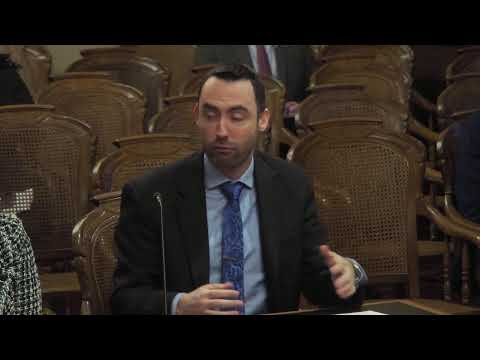
Representative Mirman presented House Bill 4696 to the House Rules Committee as a change to the state guardianship assistance framework intended to support permanency for children entering foster care. Mirman said the bill would permit relatives who are not licensed foster parents but who are approved by the Department of Health and Human Services for placement to receive guardianship assistance to help cover the costs of care.
"When a child enters foster care, circumstances force their placement in the system to keep them safe," Mirman said, arguing that keeping children with family or people who have a personal connection improves permanency outcomes. Under the bill, a relative within a fifth degree or an individual with a strong emotional tie who has cared for a child at least six months would be eligible to apply for assistance; applicants still would need DHHS foster‑placement approval and background and central registry checks.
Supporters said the bill addresses administrative delays and resource gaps that can force caregivers to restart licensing or adoption processes. Bianca Miles, child welfare education policy associate for Michigan’s Children and a kinship caregiver, described personal experience with paperwork delays that forced a caregiver to restart an adoption process despite caring for the child for two years.
"These are months worth of bills, personal documentation, bank statements…this takes hours and time to retain on top of working," Miles said, urging passage to reduce delays that disrupt permanency for children.
Committee members confirmed with the sponsor that the bill references existing rule language and does not create new rulemaking. No committee vote on final passage was recorded in the hearing.
The next procedural step is for the bill to be referred for further consideration by the full House or assigned committee action as determined by legislative process; the Rules Committee heard testimony and recorded supporters and neutral witnesses on the record.