Get Full Government Meeting Transcripts, Videos, & Alerts Forever!
Get email alerts on the Public Health topic
No spam. Unsubscribe anytime.
Providence outlines top health needs in Kodiak, will return with improvement plan
Summary
Providence presenter Nick Lumis told the Kodiak Island Borough assembly the 2025 community health needs assessment identified four priorities — basic needs/economic security, mental health, substance use, and access to care — and said a Community Health Improvement Plan will be ready for public review next month.
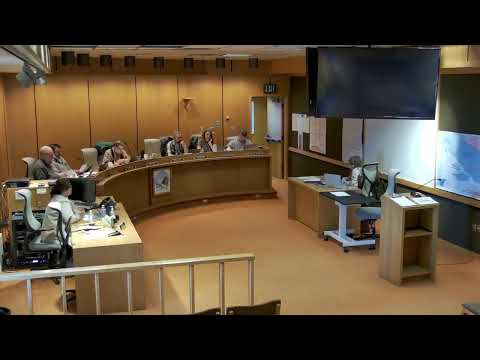
Nick Lumis of Providence presented the Kodiak Community Health Needs Assessment to the Kodiak Island Borough assembly, summarizing the report’s methods and the four priority areas it identified.
Lumis said the assessment was produced between May and August 2025 using internal hospital metrics, public‑health data, and three community surveys. “This is a health assessment that’s done for our community every 3 years spearheaded by Providence,” Lumis said, adding that the work included local advisory members and was approved by the Alaska region board.
The assessment distilled findings into four buckets. The top priority was basic needs and economic security, listing affordable housing, child care, food insecurity, and economic opportunity. The second priority was mental health, including workforce shortages and elevated thoughts of self‑harm. The third was substance use and misuse, with concerns about binge drinking and treatment access. The fourth was access to health care, including dental care and workforce shortages.
Lumis said Providence is drafting a Community Health Improvement Plan (CHIP) to respond to those findings and expects the CHIP to be finalized and posted on Providence’s website by the end of April. “That document’s expected to be ready by the end of April,” he said, and he offered to return to present the CHIP to the assembly and the community advisory council.
Assembly members asked how the borough could act on the findings. Assemblymember Whiteside asked which items the assembly could “lean in on” beyond housing; Lumis recommended assembling a cross‑sector group with visibility on community resources to match workforce and space (for example, child care providers with workforce but no space and vice versa). Lumis said Providence plans to lead the CHIP with community partners and governance approval by the Alaska region board.
There were no formal decisions or votes; assembly members invited Lumis to return when the CHIP is complete. The presentation packet and the full assessment are available on Providence’s website, per Lumis’s remarks.