Get Full Government Meeting Transcripts, Videos, & Alerts Forever!
Get email alerts on the Property Reuse topic
No spam. Unsubscribe anytime.
Commissioners propose $50,000 seed for county cleanup fund to restore struck-off properties
Summary
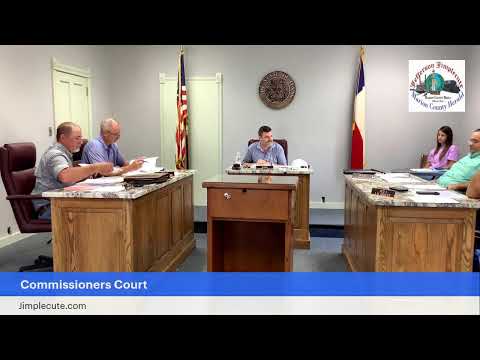
At a Marion County budget workshop, the judge proposed the county seize, clear and combine struck-off (tax-forfeited) lots for sale or return to the tax rolls and asked staff to add a $50,000 cleanup fund to the budget for surveys, demolition and equipment.
Marion County commissioners at a June 27 budget workshop explored a plan to take possession of struck-off (tax-forfeited) lots, clean and combine small parcels into marketable tracts and return them to the tax rolls or sell them to generate revenue.
The county judge outlined the idea as a long-term effort to improve blighted parcels, boost tax collections and make scattered small lots usable for development. The judge said the process would include legal steps—cities or school districts may need to relinquish rights for properties inside municipal limits—and practical tasks such as surveying and cleanup. He asked the county’s tax attorney to supply a list of struck-off properties for review.
Discussion at the workshop included estimates for survey and demolition costs (participants gave a broad range from roughly $1,500 to $15,000 per parcel depending on complexity) and options to employ county road/bridge equipment or contract work. Commissioners debated starting with a seed amount for equipment and initial cleanup, and the judge asked staff to add $50,000 to a proposed county cleanup fund.
"If we can clean up some properties, add it back to the tax rolls, cleaned up, ready to go, I mean, I don't see why we wouldn't do that," the judge said, describing the potential for long-term tax-base improvement. The judge asked staff directly: "Shannon, can you add 50,000 into county cleanup fund?" Shannon confirmed the fund would be added to the proposed budget.
Commissioners emphasized the initiative would be an investment rather than a recurring annual outlay and discussed whether sale proceeds should flow back into the cleanup fund or into economic development. Staff and the tax attorney were tasked with returning with concrete lists, cost estimates and a recommended funding vehicle.
The workshop concluded without formal votes on the proposal; commissioners instructed staff to research legal steps, surveying costs and potential equipment needs and to prepare figures for a future meeting.