Get Full Government Meeting Transcripts, Videos, & Alerts Forever!
Get email alerts on the Surveillance Contracts topic
No spam. Unsubscribe anytime.
Student reporters ask council to probe reported $36 million DHS surveillance contract with Northeastern
Summary
A Huntington News columnist told the City Council he found a $36 million Department of Homeland Security contract with Northeastern to build an AI 'sentry' surveillance system; witnesses urged subpoenas and public review of how university funds and partnerships affect campus privacy and civil liberties.
A Huntington News columnist told the Boston City Council on March 23 that he discovered a $36 million contract between Northeastern University and the U.S. Department of Homeland Security to develop an AI surveillance system that would use facial recognition and publicly available social‑media signals to assess threat levels.
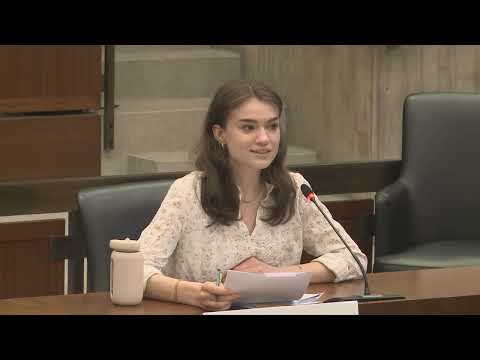
Arvin Chettiar, a columnist and reporter who testified to the council, said he located the contract while researching university funding and called on councilors to use their oversight powers — including subpoenas if necessary — to obtain full contract terms and explain how the technology would be used and governed.
"I came across a $36 million contract that Northeastern has with the Department of Homeland Security to build a sentry AI system," Chettiar told the committee. He urged municipal oversight because such systems could have privacy and civil‑liberties consequences for students and neighborhood residents.
Other witnesses at the hearing echoed concerns about surveillance and university ties to federal agencies. Student journalists and faculty speakers said they had encountered resistance when seeking transparency about research partnerships and external contracts. Several student groups urged the council to press for full public disclosure of outside funding that affects campus life.
Councilors responded that while the City Council’s direct regulatory powers over private universities are limited, it can demand transparency, convene hearings and use its bully pulpit to press institutions to explain contracts that affect public life. Chair Renard Pepper said the council will pursue additional hearings focused on data, surveillance and contract oversight.
No formal council action or subpoena was issued during the March 23 hearing; councilors said staff would draft follow‑up orders and organize a technical hearing on the surveillance project and university procurement practices.
What happens next: Chettiar asked the council to consider formal document requests or subpoena power as the committee schedules a dedicated hearing on campus surveillance and contractual transparency. The council indicated it will plan follow‑up oversight but did not set a firm date or compel the university to appear at that session.