Get Full Government Meeting Transcripts, Videos, & Alerts Forever!
Get email alerts on the Community Treatment Funding topic
No spam. Unsubscribe anytime.
Providers and family-recovery groups ask Senate to include facility and family-support funding in budget
Summary
Providers testified in favor of including targeted appropriations in the supplemental budget: Turning Point Treatment requested renovation funding to preserve treatment capacity; Thrive Family Recovery asked to restore non-billable family supports. Committee laid both items over for possible inclusion.
Several community providers and recovery organizations testified to the committee seeking targeted appropriations in the governor's supplemental package.
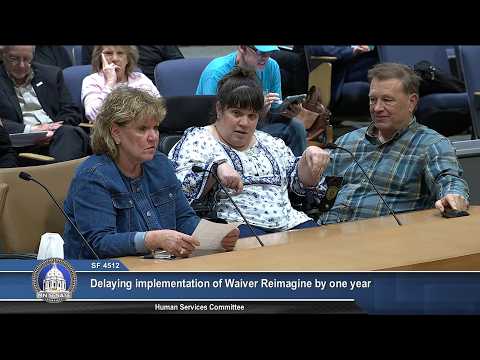
Lori Wilson, who identified herself as CEO and president of Turning Point Treatment in North Minneapolis, said her organization serves roughly 250 clients per year and seeks funding for building renovations to preserve capacity and safety. "We currently have 250 individuals a year. We need to renovate our space so that we can have a conducive space services that the people deserve," Wilson said.
Pam (transcript: "Pam Land Service"), the executive director of Thrive Family Recovery Resources, described the organization's family-centered, non-billable supports that help families stabilize after treatment and argued that the services prevented downstream costs and deaths. Joe Club, who identified himself as vice president for health and addiction programs in testimony, said Thrive's family interventions produced measurable improvements in family stability and post-treatment outcomes.
Committee action: The committee temporarily laid over the appropriation requests for possible inclusion in the budget package and signaled staff will identify funding options, including whether bonding or other mechanisms could cover capital needs.
Context: Providers warned that broader Medicaid and budget proposals (including potential rate adjustments and program-integrity savings) could strain treatment capacity and local recovery services. Committee members acknowledged competing priorities and said they would work with sponsors to explore funding paths ahead of the markup.