Get Full Government Meeting Transcripts, Videos, & Alerts Forever!
Get email alerts on the Waste To Energy topic
No spam. Unsubscribe anytime.
Auburn council authorizes $620,152.13 payment after $1M assessment from waste-to-energy board
Summary
Council voted 6–0 to use undesignated fund balance to cover Auburn’s 62.2% share ($620,152.13) of a $1 million assessment levied by the municipal waste-to-energy authority to cover maintenance and cash‑flow shortfalls; councilors emphasized need for a multi‑year plan and reserves.
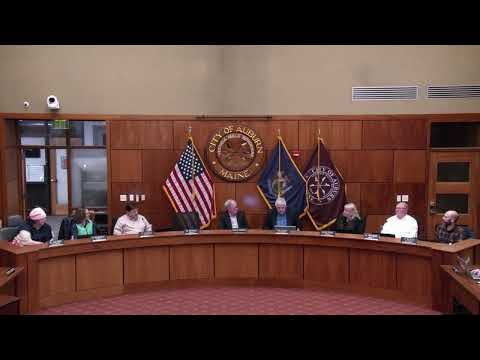
The Auburn City Council approved an order on Feb. 17 authorizing the city to cover its share of a $1,000,000 assessment levied by the municipal waste-to-energy authority to address maintenance and cash-flow shortfalls.
City Manager Phil Croll told the council the board adopted the assessment at its June 13, 2025 meeting and that Auburn’s proportionate share—calculated from the plant’s allocation formula—was 62.2 percent, or $620,152.13. “Of the million-dollar assessment, $620,152.13…would then be allocated to the city of Auburn,” Croll said.
Croll recommended using undesignated fund balance to pay the invoice this fiscal year and said the FY26 revised budget had been updated to reflect the assessment. He added that the board also accounted for outstanding invoices owed to Auburn in the revised budget (the packet lists an outstanding amount but the transcript figure is unclear and should be confirmed in staff records).
Councilor Adam Platt moved the order and Councilor Tim Cowan seconded; council voted by show of hands and the motion carried with six in favor, none opposed. Platt said the interlocal agreement requires member communities to cover assessments and that this approach provides a deliberate remedy rather than an emergency cash call.
Council discussion focused on the need for multi-year budgeting at the authority level, restoring a maintenance reserve and reviewing fee structures. Staff said one plant boiler had been out of service for about two weeks, reducing burn capacity, increasing hauling costs and depressing energy-credit revenue; those operational failures were cited as drivers of the authority’s budget shortfall.
The council asked staff to provide follow-up data requested during the discussion—tonnage breakdowns by source, non-member revenue shares and updated fund-balance figures—so members can track FY26 impacts and the FY27 budget planning.
Next step: city staff will execute the payment from undesignated fund balance and provide the requested budget and tonnage breakdowns to council.