Get Full Government Meeting Transcripts, Videos, & Alerts Forever!
Get email alerts on the Public Safety topic
No spam. Unsubscribe anytime.
Salisbury fire chief reports 2025 call-volume trends, staffing pressure and new life-saving programs
Summary
Chief Rob Frampton told the council the Salisbury Fire Department saw a 2.6% rise in total calls in 2025, with fire calls down and EMS rising; he highlighted a 24% witnessed cardiac-arrest resuscitation rate, plans for new apparatus, and a new whole-blood program.
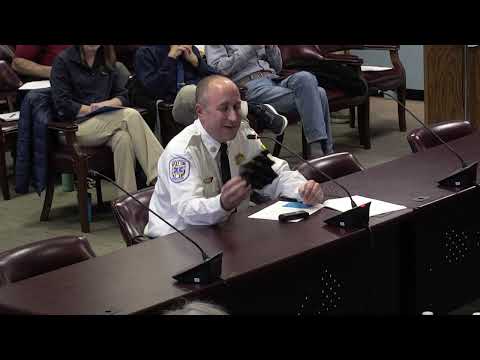
Chief Rob Frampton presented Salisbury's 2025 year-end report at a city council work session, saying total call volume rose about 2.6% year-over-year while fire calls fell roughly 1.5% and EMS calls continued to increase.
Frampton said staffing has not kept pace with call-volume growth. "From 2024 to 2025 ... we grew 2.6%," he told the council, noting the 2022 SAFER grant had added 12 hires that temporarily lowered calls per employee but that the department is now above the trend line again and is exploring additional hires to reduce workload.
The chief walked members through several program highlights. He reported a 24% resuscitation rate for witnessed cardiac arrests in the district, about three times the national average he cited as 8%, and said the city's fire marshal investigations and inspections helped save nearly $13.5 million in property and contents last year (losses just under $3 million).
Frampton credited regional EMS changes for modifying call patterns: after Somerset stood up staffed county EMS units, Salisbury's out-of-district responses dropped about 11%, he said, reducing demands on Fruitland and Allen units under mutual aid.
He outlined capital and clinical upgrades the department is pursuing: an overdue rescue truck expected in spring to replace a 25-year-old apparatus, a revised second-engine order that lowers lead time to roughly 18 months and saves about $150,000 per engine by scaling back certain specs, and a new whole-blood program in partnership with Title Health to deliver blood sooner at scenes. He also said the Paramedic Foundation is buying portable ultrasound units for field use.
The chief reported progress on overdose response: opioid-related calls were down from 92 to 81 and Narcan doses administered were roughly half of the prior year, a change he attributed in part to broader public access to Narcan and targeted outreach. He said Salisbury's MDCN unit handled 951 low-acuity responses, 99 of which were treated on scene without transport, and estimated ED-cost savings of more than $200,000 from those non-transport treatments.
Frampton also summarized tactical and interagency work: a two-person tactical-medic team embedded with police units deployed 27 times last year without on-incident officer or civilian injuries, and the fire marshal's office increased commercial inspections and origin investigations.
Council members praised the department and asked follow-up questions about Narcan distribution and apparatus demonstrations. Frampton invited council members to station tours and ride-alongs and said staff will continue budget discussions with county partners ahead of scheduled meetings.