Get Full Government Meeting Transcripts, Videos, & Alerts Forever!
Get email alerts on the Revaluation topic
No spam. Unsubscribe anytime.
Auburn launches citywide revaluation; assessors outline inspections, timeline and homeowner options
Summary
City Assessor Karen Scamman told the council a contracted vendor is inspecting 9,486 parcels as part of a revaluation meant to bring assessments to market value; staff said values will be set as of April 1, 2027, with final proofing and taxpayer meetings to follow.
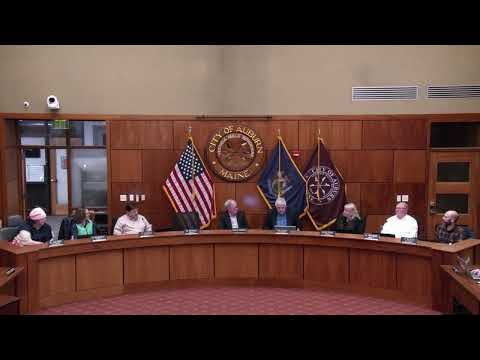
City Assessor Karen Scamman told the Auburn City Council on Feb. 17 that the city has contracted KRT to conduct a citywide revaluation covering 9,486 parcels across residential, commercial, industrial and vacant land and to review the assessors’ valuation methods and schedules. “We need to inventory and assess all taxable and non-taxable property in the city and give it evaluation,” Scamman said, describing the office’s role and the revaluation goals.
Scamman said the objective is to reach 100% of market value in accordance with state regulatory standards and to equalize values across property classes. She described the process as a combination of a full inventory, corrections to property record cards and market adjustments where necessary: “The goal is to rebalance our property values, ensuring that all property owners meet their fair share of the tax burden.”
Staff said KRT began listing properties after the 2024 contract and that residential inspection work was reported in project materials as beginning in November 2024, though assessors said interior inspections actually began in February 2025. Inspectors will deliver postcards, knock on doors and may request interior access; property owners can decline entry, in which case data collectors will take exterior measurements and photographs. Scamman said owners can also schedule appointments with either KRT or city staff to have an inspection done at a convenient time.
Scamman acknowledged privacy and safety concerns and said field staff will wear city-issued identification. She also reported initial interior-access rates below 20% during the first knock-on-door phase and said the team expects higher entry rates after follow-up letters and a second round of outreach.
The assessors said the statutory valuation date for revaluation values is April 1, 2027, with the contract calling for all supporting data to be delivered by Aug. 1, 2027. Scamman said assessors will spend months ‘‘proofing’’ tables, neighborhood delineations and cost schedules before valuation notices are mailed, and that taxpayers who receive a valuation letter and dispute it will be offered a meeting and a reinspection if necessary. She warned that, even if values change in 2027, corresponding tax changes are most likely to appear in the 2028 tax commitment process.
Councilors asked about subjective factors such as proximity to schools and whether the public will be able to see distribution data or neighborhood heat maps. Scamman and Deputy Assessor Joe St. Peter said adjustments are supported by measurable sales data and neighborhood delineations; staff said the underlying manuals and sales studies are public and the city can produce graphs or heat maps to show geographic patterns.
The assessors also noted ongoing methodological questions—such as whether to collapse some neighborhood codes where the sales record does not support that level of granularity—and said they are evaluating whether features like rooftop solar panels have contributory market value based on matched-sale data.
Next steps: KRT continues field work and follow-up mailings; assessors will complete proofing once KRT delivers the reval product and will schedule taxpayer meetings after valuation notices are issued.