Get Full Government Meeting Transcripts, Videos, & Alerts Forever!
Get email alerts on the Assessments topic
No spam. Unsubscribe anytime.
North Wasco County SD 21 reports K–8 I‑Ready gains and flags attendance, subgroup gaps
Summary
District leaders told the board that winter I‑Ready diagnostics show growth across K–8, with more students moving into on‑grade bands; presenters cautioned that attendance drops and gaps for multilingual learners and some subgroups remain a concern.
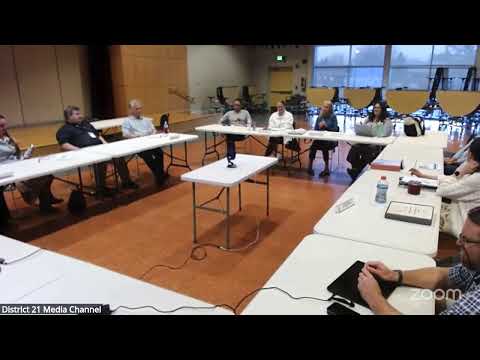
At a North Wasco County SD 21 work session, district leaders said K–8 interim assessments administered through I‑Ready showed measurable growth between fall and winter diagnostics, with more students shifting from the lowest categories into on‑grade and mid‑grade levels.
Dr. Bernal, the superintendent, pointed to districtwide gains in both reading and math. She noted that the count of students classified as “mid or above grade level” rose substantially districtwide ("we had 102 students that were mid or above grade level and now districtwide we have 224," she said), and that the worst‑performing band — students three or more grade levels below — shrank.
The district uses I‑Ready as a diagnostic three times per year to monitor growth and guide classroom interventions, Dr. Ivy explained, adding that the assessments are intended to complement, not replace, statewide OSAS measures. "I Ready assessments are used to measure student progress," she said, framing the tool as a source for teachers to plan interventions and grade‑level work.
Presenters broke results down by subgroup. District staff highlighted growth for students with IEPs and multilingual learners but said gaps remain: they reported that multilingual learners showed small improvements — for example, some early‑on grade‑level gains (one presenter noted "we did have 7% that were early on grade level" for multilingual learners) — while acknowledging that many dual‑language students begin with more learning in Spanish, which affects English‑language outcome trajectories.
Principals described how they are using the diagnostic data to target tutoring, intervention blocks and project‑based instruction. Several schools said they are prioritizing first grade with high‑dosage tutoring and reallocating bonus resources to frontline literacy interventions.
District leaders cautioned that the winter data must be interpreted alongside attendance trends, which dipped in trimester 2 and likely depressed some gains. The board heard that illness and family absences contributed to the mid‑winter decline; leaders said they will continue school‑level monitoring, targeted interventions for subgroups and cross‑site collaboration on early literacy and math supports.
The board did not take formal action at the meeting; school leaders said they will return with updated trimester‑3 data and next steps for outreach, tutoring and subgroup supports.