Get Full Government Meeting Transcripts, Videos, & Alerts Forever!
Get email alerts on the Humanitarian Response topic
No spam. Unsubscribe anytime.
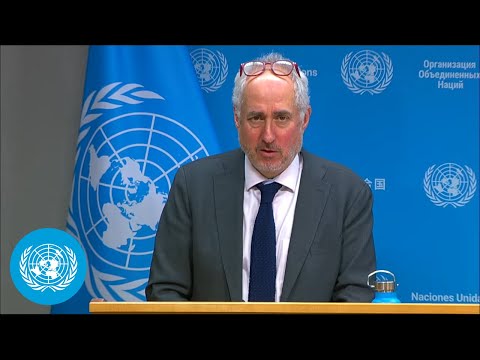
UN details humanitarian deliveries in Iran, Lebanon and Gaza as needs deepen
Summary
UN officials described expanded humanitarian deliveries — mobile health units and emergency kits in Iran, UNICEF and WFP reaching tens of thousands in Lebanon and Gaza — and cautioned that access, customs delays and agency bans are constraining relief.
The United Nations provided new details on humanitarian operations across multiple countries, saying partners continue to reach civilians despite severe constraints.
In Iran, Steph said OCHA and partners support a government-led response; UNICEF has deployed two mobile health units, eight primary health-care tents and more than 80 emergency primary-health-care kits and reported that tents and kits helped reach more than 225,000 people. The World Food Program has supported about 33,500 refugees with food and cash assistance.
In Lebanon, the briefing cited government figures of more than 2,000 people killed and over 6,500 injured; UNICEF reported at least 18 incidents affecting water systems and said it and WFP have reached roughly 100,000 people in hard-to-reach areas and supplied educational and recreational materials to more than 30,000 children across 174 shelters. Steph urged immediate de-escalation, protection of civilians and sustained humanitarian access, and called for urgent funding to reach those in need.
Regarding Gaza, the spokesperson said Israeli authorities re-opened the Zikim crossing to northern Gaza for the first time in over 40 days, allowing direct offloading of food, nutrition and other humanitarian items. Steph warned that major constraints remaincustoms clearance delays, limited scanning capacity, and bans on specific UN agencies and NGO partners that impede joint relief operations. She also said WHO and partners assisted medical evacuations of more than two dozen patients and over 40 companions through the Rafah crossing after WHO temporarily suspended such evacuations following a security incident and then resumed when safety commitments were made.
The spokesperson repeated that approvals for vital equipment and supplies are still needed so local health systems can recover and stressed that humanitarian agencies are prioritizing delivery wherever and however feasible.