Get Full Government Meeting Transcripts, Videos, & Alerts Forever!
Get email alerts on the Historic Survey topic
No spam. Unsubscribe anytime.
Draft Sanro(i) neighborhood survey finds 62 of 279 properties eligible; public comment open through March 23
Summary
A consultant-led historic resources survey for the Sanro(i) neighborhood identified 62 of 279 properties as eligible for local designation, 182 not eligible (mostly due to renovations), and 26 not visible from the public right-of-way; the commission commended the outreach and continued the item to April 8 for final action.
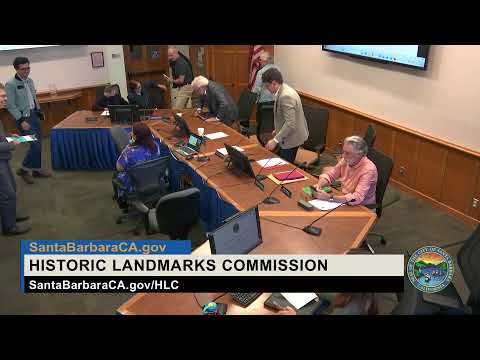
South Environmental presented a draft historic context statement and parcel-level survey for the Sanro(i) neighborhood on March 11, reporting that 62 of 279 properties surveyed meet the city's criteria for local designation. The consultant and city staff urged property owners to review the findings during a public comment period that closes March 23, 2026.
"We identified two major themes — residential development influenced by the small-houses movement and institutional development around Sanro(i) Church and Peabody School," consultant Sarah Carter said. The team used a two-stage approach: a reconnaissance survey to flag properties and an intensive stage-two review for properties with designation potential. Carter said 122 parcels were flagged for intensive review; 62 of those were recommended eligible, 182 were found not eligible (most commonly due to replacement windows, recladding, fenestration changes, or large additions), and 26 could not be evaluated from the public right-of-way and were marked "not visible."
The survey team also specifically reported it found no coherent historic district in Sanro(i) because architectural cohesion had been eroded by alterations, despite pockets of well-preserved stylistic examples (Spanish Colonial Revival, Tudor/English vernacular, Craftsman).
Commissioners praised the outreach and scholarship. They asked technical questions about field data collection, templates for significance forms, and how property owners could obtain the full significance report for their address. Staff said the city's soon-to-start in-house architectural historian will be available to help owners and that eligible properties will be added to the city's local register and historic-treasures map once the report is finalized and endorsed.
Members of the public whose properties were marked "not eligible" or "not visible" asked how to follow up; staff and the consultant said owners could request site visits, ask for the detailed significance report, or submit comments through the HLC secretary email listed on the project website. The commission voted to continue the item to April 8, 2026 for final consideration of the survey findings.
"There were a lot of properties right on the bubble," Carter told commissioners; she encouraged owners to review the survey spreadsheet and significance statements posted on the project website and to provide supplemental information during the comment period.