Get Full Government Meeting Transcripts, Videos, & Alerts Forever!
Get email alerts on the Collective Bargaining topic
No spam. Unsubscribe anytime.
City employees and union leaders urge Salisbury council not to rescind collective bargaining; firefighters cite staffing losses
Summary
City firefighters, paramedics and union leaders told the council rescinding collective-bargaining rights would damage trust, depress morale and worsen staffing; several speakers cited recent resignations and asked the council to pursue bargaining alternatives and independent review.
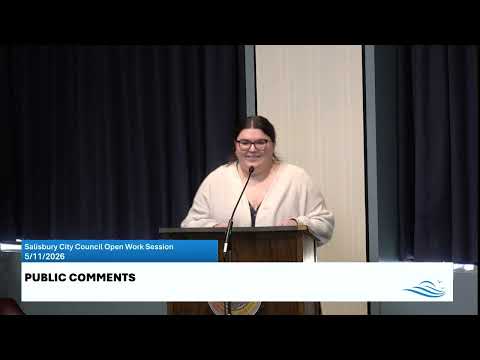
Multiple city employees, union leaders and labor representatives urged the Salisbury City Council not to rescind collective-bargaining protections or otherwise unilaterally change employment terms.
James Gardner, a City of Salisbury fire department employee, said social-media comments from city leaders had publicly shamed workers and asked for a public apology from Council President Jackson and Mayor Taylor. "Words matter. Tone matters," Gardner said, and he warned he would raise the matter as a human-resources issue if public disrespect continued.
Melissa Bragg, vice president of the Professional Firefighters of Maryland, told the council rescinding bargaining rights would harm trust and urged the city to pursue other options. A union member's letter read by Blue Tranel described paramedics routinely working 24-hour shifts plus additional hours to make ends meet and tied low pay to recent departures, noting the service is now understaffed.
Brandon Records, president of Local 42, said the proposal to eliminate collective bargaining threatened recruitment and retention and urged the council to consider neutral arbitration instead of policy changes. "Your actions and decisions are about to have real consequences," Records warned, and he cited multiple recent resignations.
Labor advocates and employees asked for transparency about what bargaining steps—contract reopeners, mediation, arbitration or independent financial review—had been tried before proposing the removal of bargaining rights. Council members responded with financial context and said they were trying to address long-term fiscal challenges; no formal personnel action or vote on bargaining changes was recorded during the public-comment portion of the meeting.
Speakers framed the debate around workplace dignity, public safety and the risks of losing experienced staff needed for emergency services; they requested that the council prioritize negotiations, independent review and preserving staffing levels before altering bargaining rights.