Get Full Government Meeting Transcripts, Videos, & Alerts Forever!
Get email alerts on the Employee Wellness topic
No spam. Unsubscribe anytime.
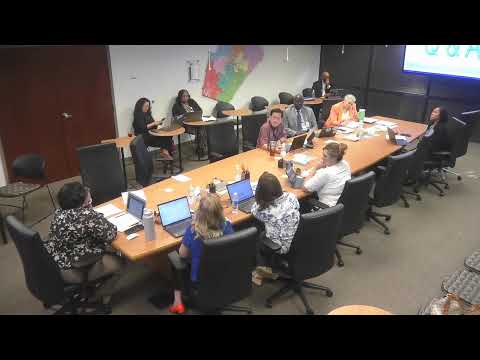
Wake County presenters describe in-house Employee Support and Wellness services and on-site crisis response
Summary
District staff outlined the Employee Support and Wellness program's in-house crisis response, mediation, coaching, and coordination with the EAP; presenters said the team goes on-site after major school crises and provides follow-up services.
Nina Rose, program coordinator for the Employee Support and Wellness program, and Sherry Brown, assistant program coordinator, told the board the district's team is an in-house resource that acts as a first responder for staff facing crisis and stress. "We're the people who can do immediate crisis response," Rose said, describing on-site interventions, individual coaching and group follow-ups.
The presenters contrasted their work with the Employee Assistance Program (EAP): the district team handles immediate on-site needs and then connects staff to EAP or outside services when more intensive therapy or external supports are required. "We are in house ... like the boots on the ground," Brown said, describing the team's role as a liaison and crisis responder.
They listed services including weekly wellness support groups, a beginning-teacher wellness library (scheduled to launch July 1), mediation services for staff conflicts, and targeted supports for special education staff. The presenters said they track follow-up contacts and check in months later to ensure sustained support.
Rose gave a recent example of on-site work after a 2023 tragedy at Southeast Raleigh High School, saying the district team provided individual sessions, group meetings and referrals during the week after the incident. Board members pressed for clarity on when the wellness team deploys alongside the district crisis team; presenters said they are part of the crisis response protocol and that staff may be contacted directly or via administrators who request support.
The board discussed proactive education strategies — delivering the program's materials in professional learning communities, principal meetings and a summer leadership conference — to raise awareness before crises occur. Several board members praised the team's work and urged expanding outreach to front-office staff so callers seeking community help know where to direct offers of volunteer services.
The meeting's discussion closed with appreciation from board members for the program's role keeping staff able to do their work during challenging personal circumstances.