Get Full Government Meeting Transcripts, Videos, & Alerts Forever!
Get email alerts on the Trusted Adult Campaign topic
No spam. Unsubscribe anytime.
Fuquay campaign encourages students to name a single "trusted adult" as protective step
Summary
Presenters described the "Be The 1" campaign in the Fuquay area that asks students to nominate one trusted adult; organizers said the simple, student-driven program has grown since 2021 and uses QR-code voting and local partnerships to raise awareness about mental wellness and prevention.
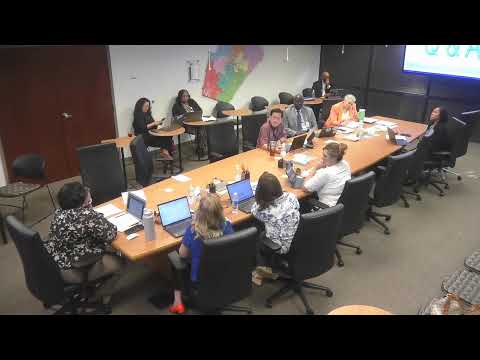
Miss Gordon, a lead presenter for the local Coalition's Be The 1 campaign, told the Wake County board the program aims to make sure every student has at least one trusted adult they can turn to during hard times. "We always tell the students to find a trusted adult," she said, summarizing the program's prevention focus.
The Coalition relaunched the initiative after receiving funding around 2019, Miss Gordon said. The campaign asks students to nominate school staff they trust, collects short reasons for each nomination, and uses a QR-code voting process to decide honorees. A student volunteer who helped launch the project described outreach that included school clubs, thank-you notes to nominees and a ceremony timed to Teacher Appreciation Week.
Presenters told the board the project has attracted growing student engagement: an early effort produced about 288 student votes, and later runs drew substantially larger numbers, prompting organizers to reduce nominee slots to keep the recognition manageable. Organizers described the figures as approximate; presenters gave varying tallies during the discussion.
Data pulled during the campaign's needs assessment guided the emphasis on a single trusted adult. Presenters said students most often cited emotional support, approachability, and evidence that a staff member "cares about me past my academics" as reasons to nominate adults. Meredith college students helped analyze the initial data, Miss Gordon said.
The campaign relies on local partnerships and communications to reach students. Miss Gordon described coalition partners (police, regional centers, parents and civic groups), social media and local magazine ads, and an Instagram/Facebook rollout that displayed nominees and winners. The organizers said they also work with principals to identify staff to recognize while ensuring the student voice drives nominations.
The presenters asked board members and community partners to consider expanding the model to additional schools. The board expressed support and interest in replicating the program in other Wake schools. The meeting moved on to separate district program updates after the discussion ended.