Get Full Government Meeting Transcripts, Videos, & Alerts Forever!
Get email alerts on the Public Health topic
No spam. Unsubscribe anytime.
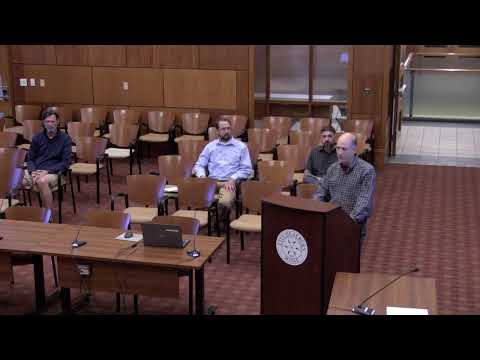
Auburn council adopts first reading of 180‑day moratorium on needle‑exchange services
Summary
The Auburn City Council adopted the first reading of Ordinance 0608182025 to impose a 180‑day moratorium on needle‑exchange services, retroactive to Aug. 1, 2025, to allow workshops and information sessions; the council refused to waive the second reading and the ordinance will return for a second reading at the next meeting.
The Auburn City Council adopted the first reading of Ordinance 0608182025, establishing a 180‑day moratorium on needle‑exchange services in the city, retroactive to Aug. 1, 2025.
Council members said the pause is intended to allow the city to convene workshops and gather information from service providers and regulators before considering a permanent policy on needle-exchange programs. Councilor Adam Plattz said he supported the pause: “I support a moratorium now and I look forward to the discussion about what to do next.”
City staff and the council clarified that, as of the meeting record, there are no needle‑exchange programs operating in Auburn and no pending applications to operate such a program. The moratorium would give the council time to receive presentations from public‑health professionals and local service providers before making regulatory decisions.
Councilor Ben Weisner moved the ordinance for first reading. Councilor Rick Whiting moved to waive the second reading so the council could adopt the ordinance tonight; the motion to waive the second reading failed on a voice/show‑of‑hands vote. Councilor Belinda Garry explained why she voted against waiving the second reading: “The reason I voted no was usually in past years if we needed to do first and second reading, we’d suspend the rules and move the second reading that night because moving it so fast sometimes doesn’t give people from the public more time to come in and have their voices heard.”
After the failed waiver, the council proceeded to vote on the first reading by roll call; the clerk recorded seven votes in the affirmative and none in the negative, and the first reading was adopted. The ordinance will appear on the council’s next meeting agenda for a second reading and final action.
The council also directed staff to organize workshops and invite service providers, regulatory authorities and other stakeholders to present information before the second reading.