Get Full Government Meeting Transcripts, Videos, & Alerts Forever!
Get email alerts on the Sanctions Oil topic
No spam. Unsubscribe anytime.
Wright defends temporary easing of Russian oil sanctions, declines to endorse president's Zelensky–Putin comparison
Summary
Energy Secretary Chris Wright said temporarily allowing certain Russian oil shipments to be redirected was intended to keep refineries running and cap prices, and said he would not weigh in on the president's comment that Ukrainian President Volodymyr Zelensky is "far more difficult" to deal with than Vladimir Putin.
Energy Secretary Chris Wright defended the administration's temporary easing of restrictions on certain Russian oil shipments as a practical step to limit global price pressure and help allied refineries. "This is not rewarding Russia," Wright said, explaining that the oil in question was already at sea and that allowing other buyers to receive it keeps refineries operational and helps cap prices.
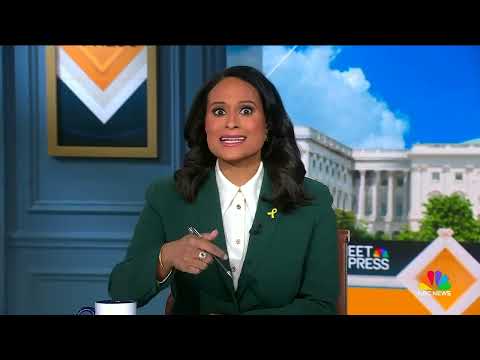
Moderator Kristen asked whether lifting those restrictions amounted to "rewarding" Russia. Wright replied that the oil was already en route to a Chinese port and would otherwise sit idle for weeks; by redirecting buyers in Asia, the administration sought to prevent additional price spikes.
When pressed about a presidential comment that Ukrainian President Volodymyr Zelensky is "far more difficult to deal with than Russian President Vladimir Putin," Wright said he has not been involved in peace negotiations and declined to evaluate the comparison. He reiterated the administration's objective to help end the four-year war in Ukraine, expressing support for efforts to find a negotiated settlement but saying his direct engagements have been on the Ukrainian side.
The interview included no new sanctions legislation or formal policy vote; Wright framed the temporary sanction adjustment as a short-term market-management decision tied to ongoing diplomatic and military priorities.